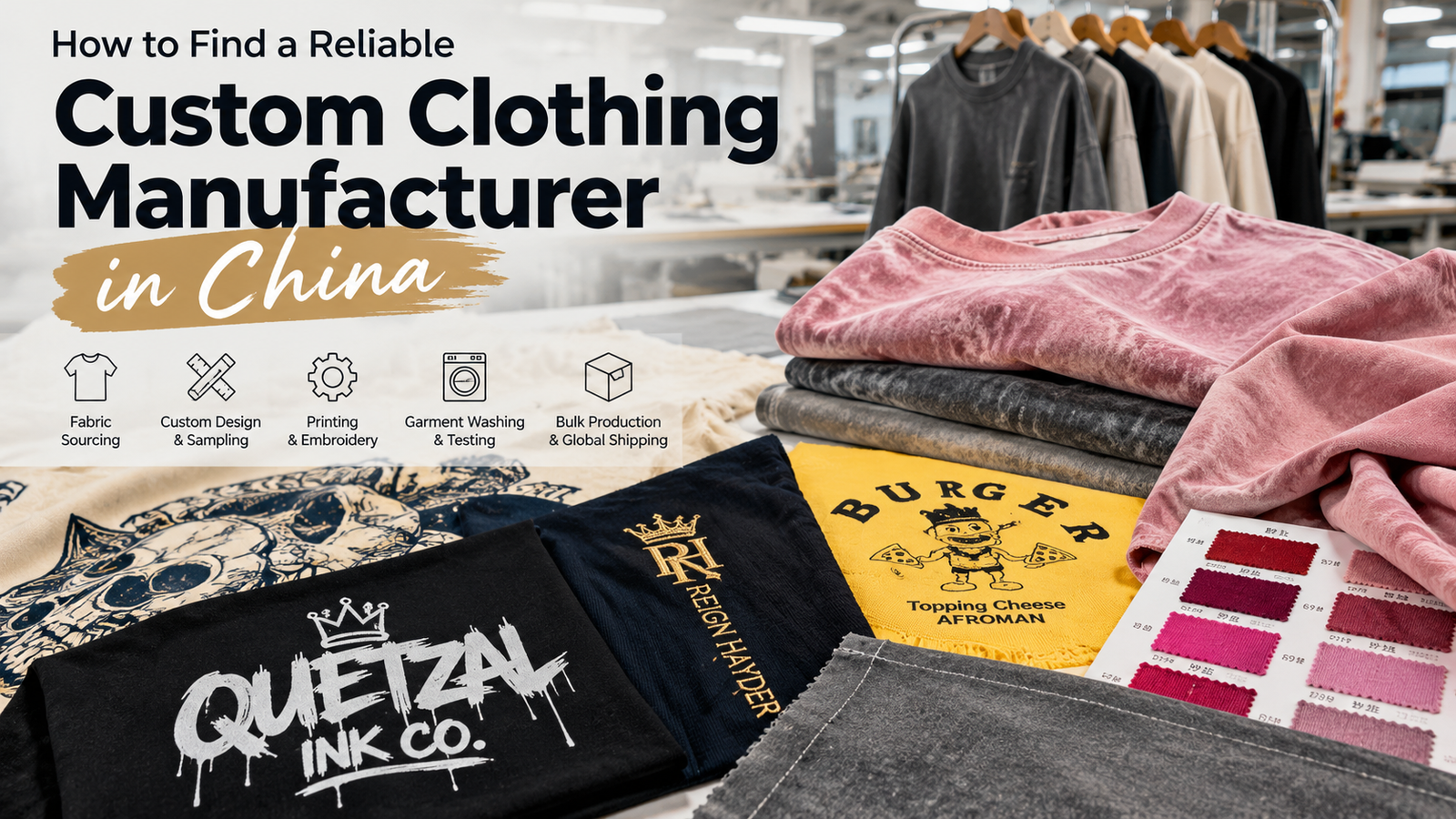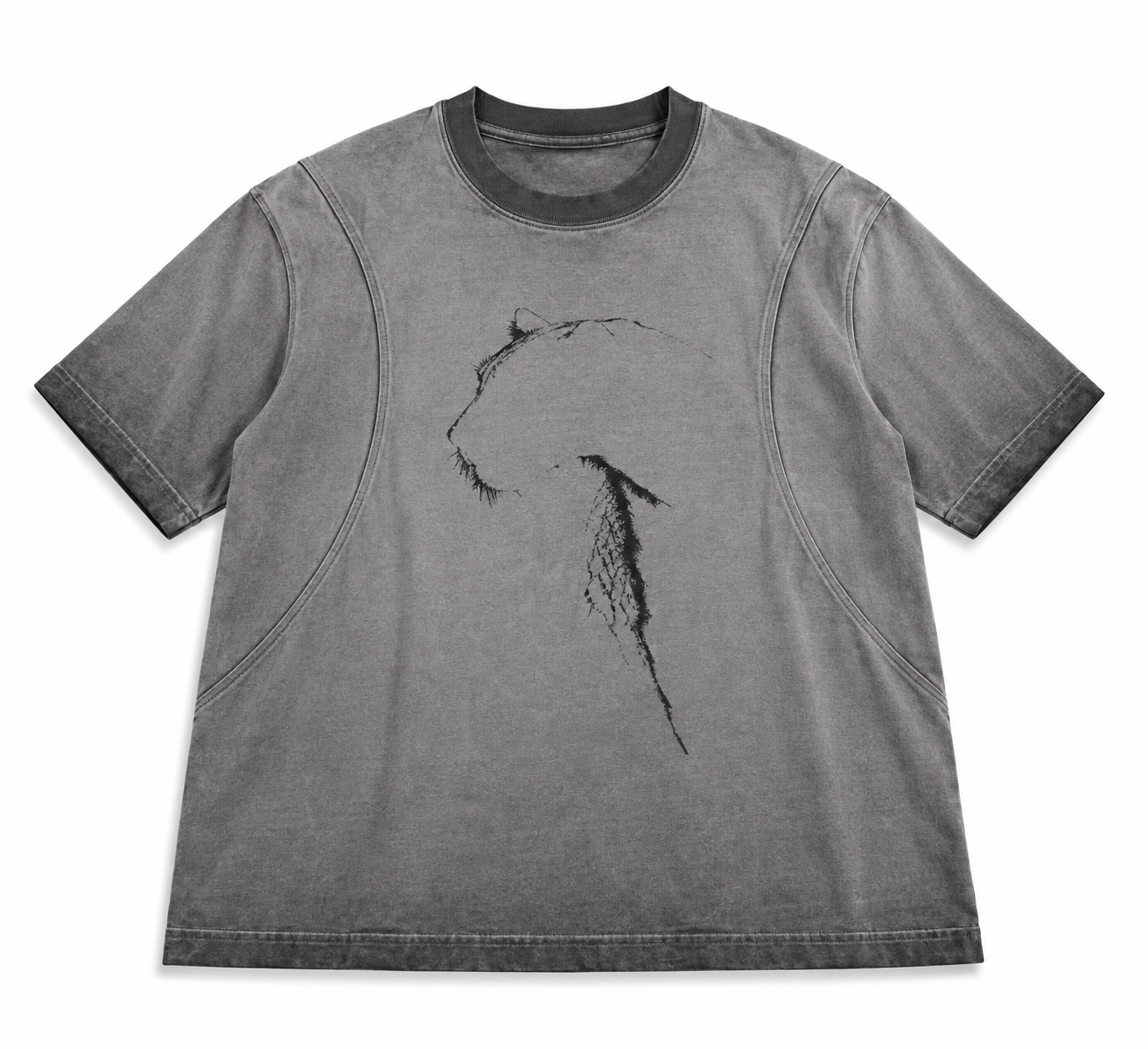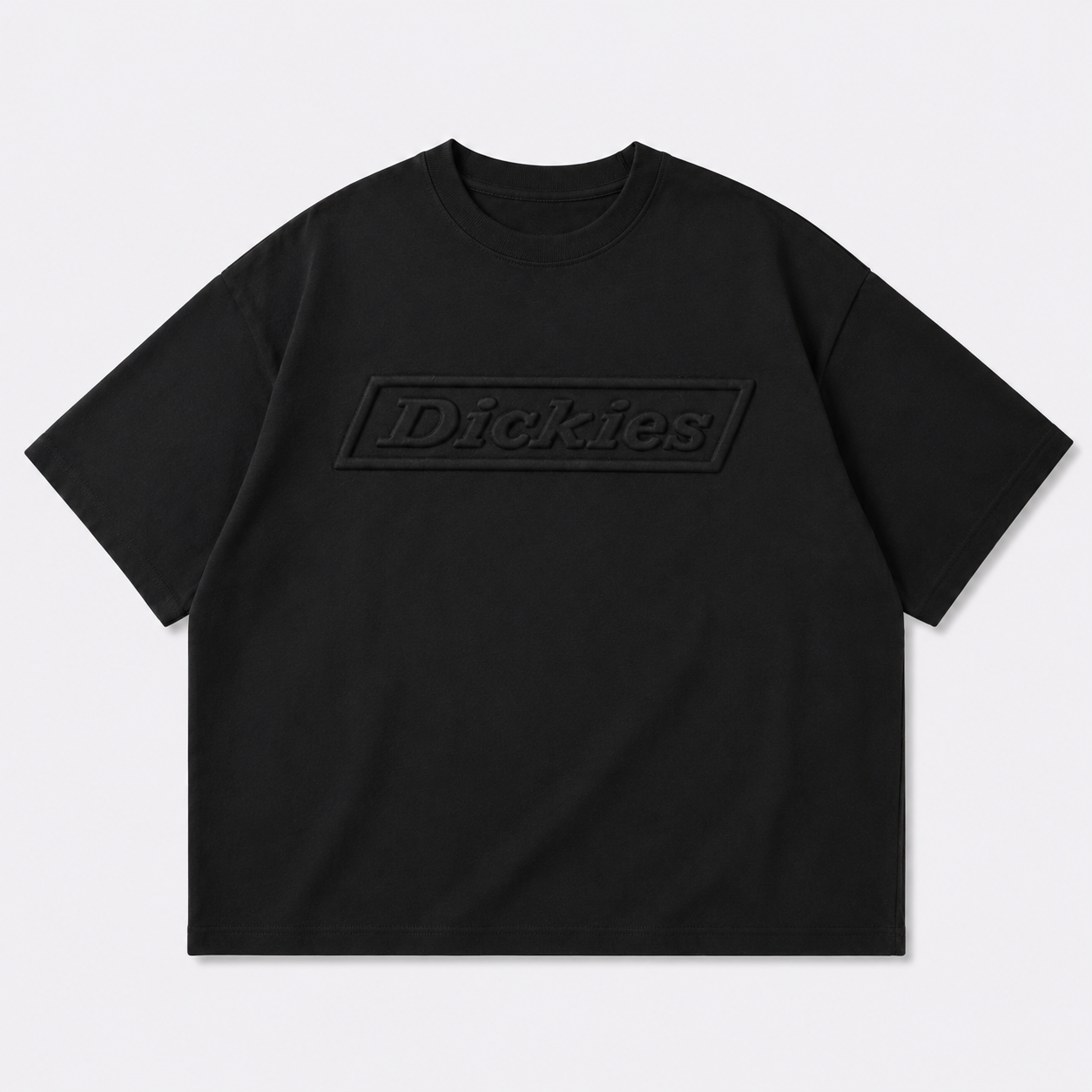


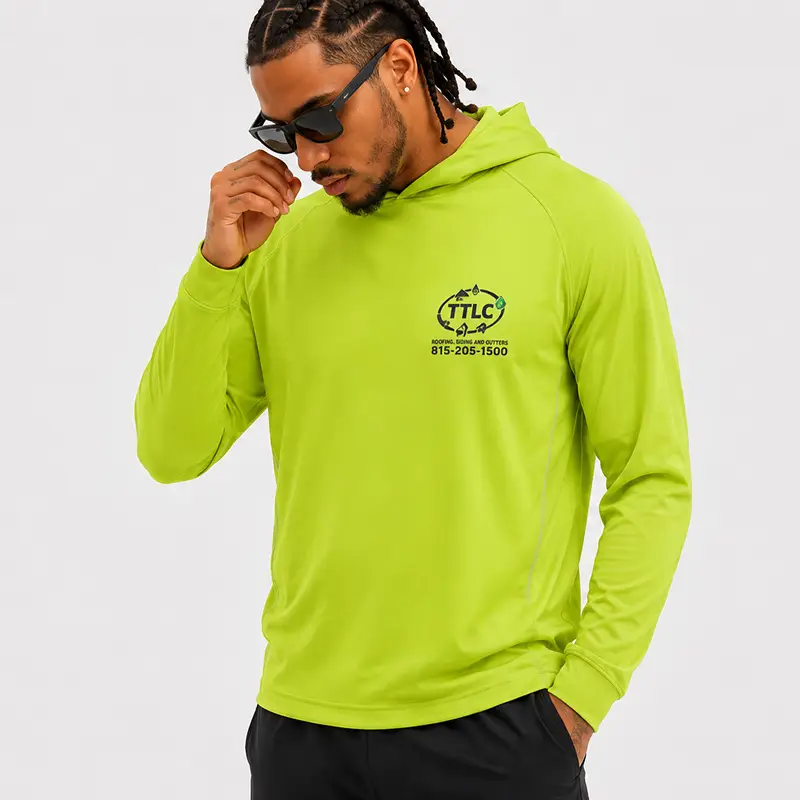
One of the first questions clothing brands ask when developing a new T-shirt is: how much does it cost to manufacture a T-shirt?
There is no single fixed answer. The cost to manufacture a T-shirt depends on the final garment design, fabric composition and weight, printing or embroidery technique, construction details, order quantity, custom labels, packaging, and other requirements.
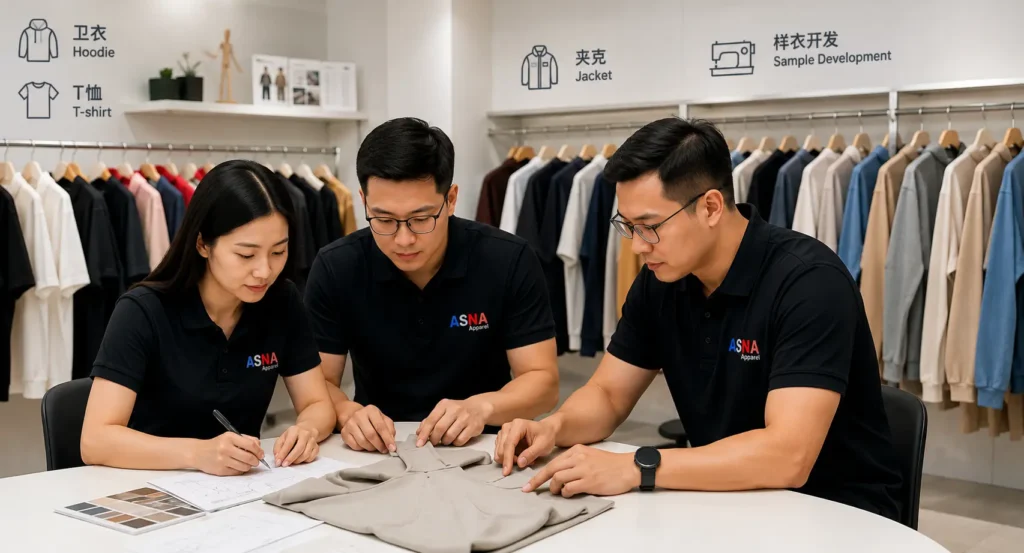
At ASNA Apparel, we normally review the customer’s final design or tech pack before calculating the production cost. This allows us to understand exactly how the T-shirt should be made and provide a quotation based on the actual manufacturing requirements.
In this guide, we explain the main factors that determine custom T-shirt manufacturing costs and what clothing brands should prepare before requesting a quotation.
What Determines the Cost to Manufacture a T-Shirt?
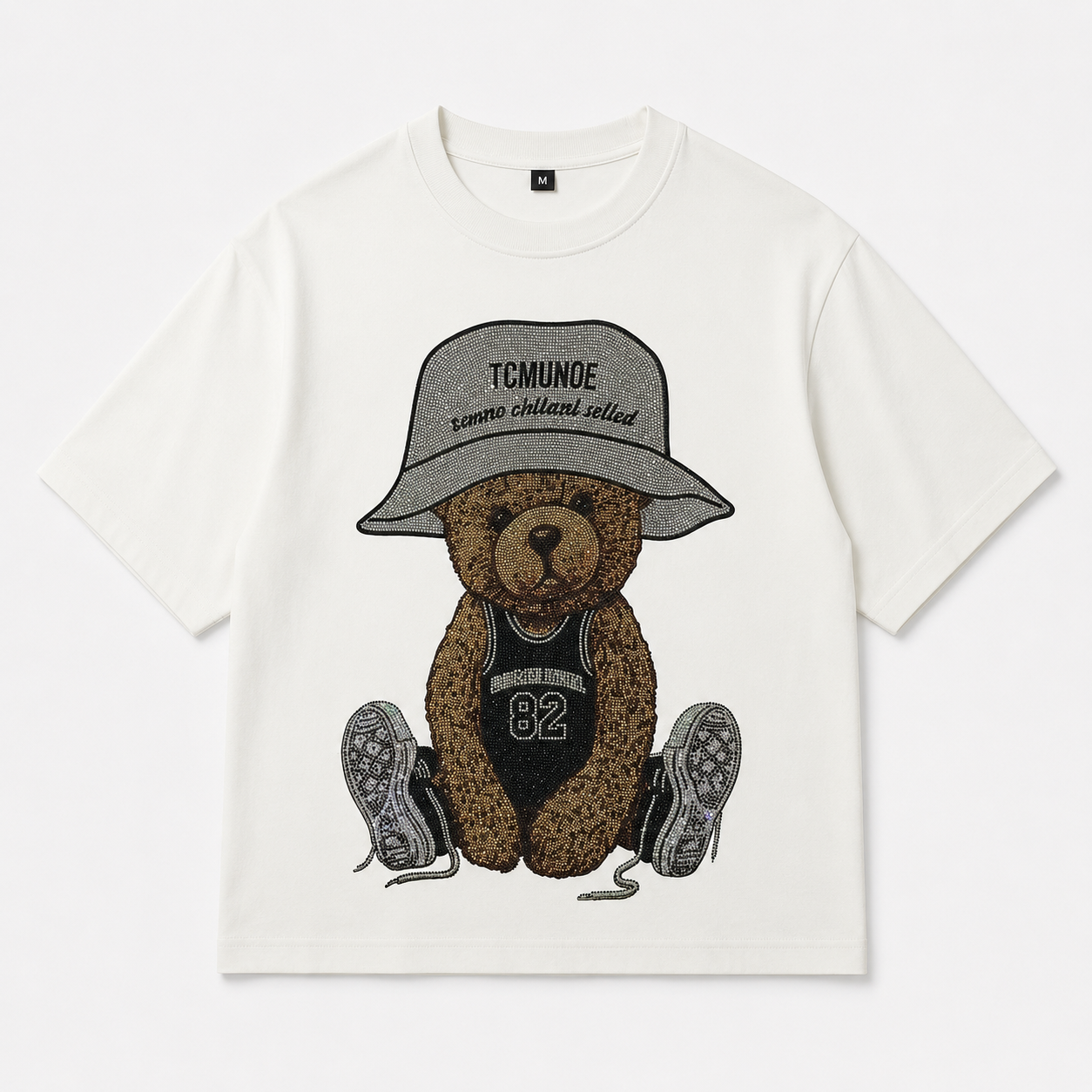
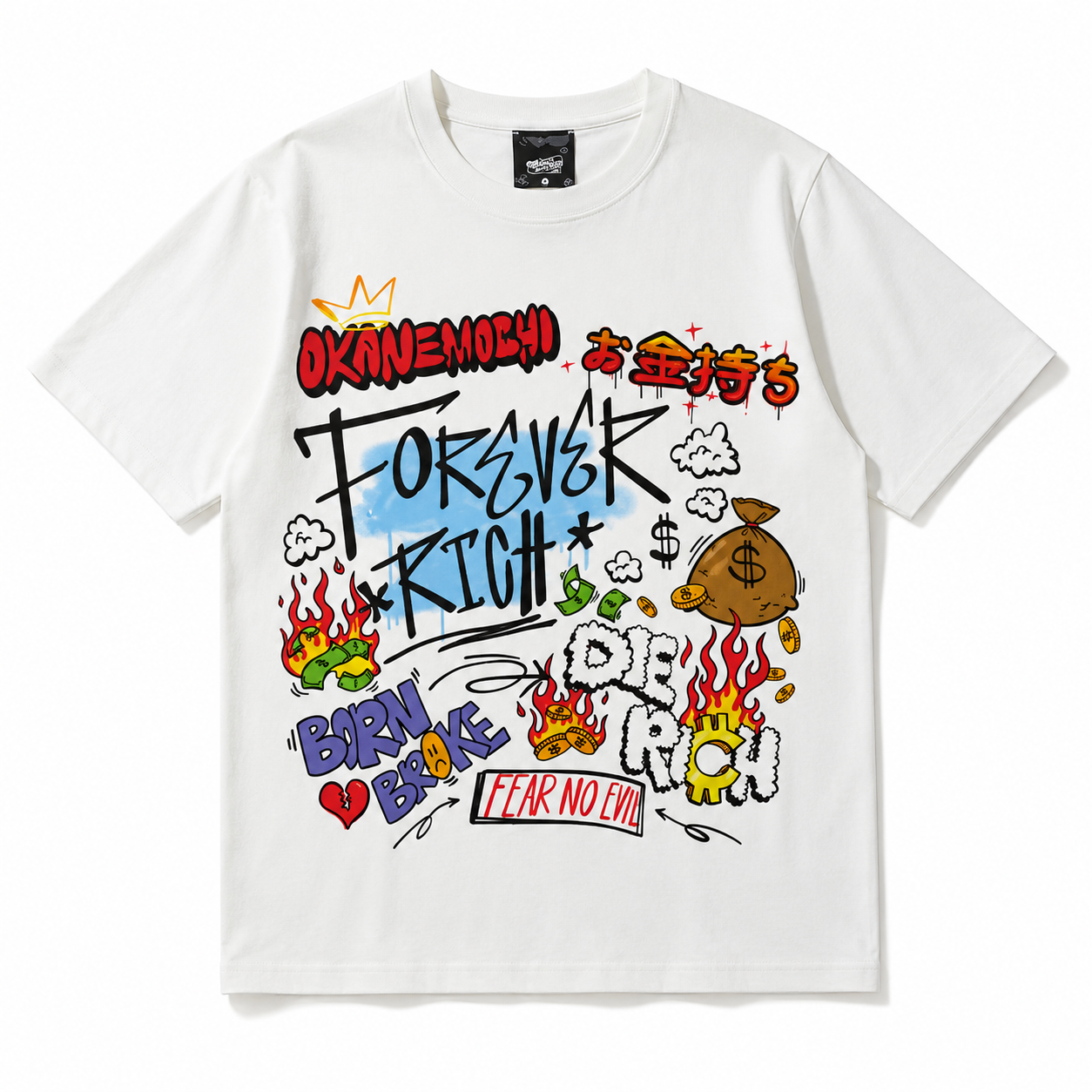
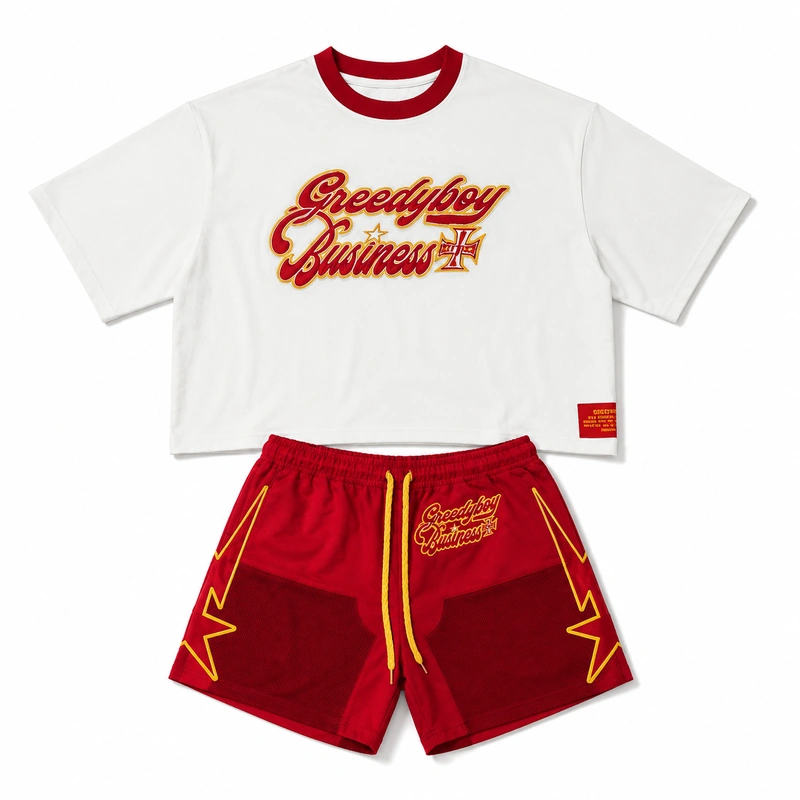
Two T-shirts may look similar at first glance but have very different manufacturing costs. A basic cotton T-shirt with a small one-color screen print is very different from a heavyweight oversized T-shirt with multiple print positions, embroidery, custom labels, and special sewing details.
The main cost factors usually include:
- Fabric composition
- Fabric weight (GSM)
- Fabric color and finishing
- Garment pattern and construction
- Printing or embroidery technique
- Artwork size and placement
- Order quantity
- Number of colors and sizes
- Custom labels and trims
- Quality inspection and packaging
This is why sending your final design or tech pack is the best starting point for an accurate quotation.
1. Fabric Is One of the Biggest T-Shirt Cost Factors
Fabric is one of the most important components of T-shirt manufacturing cost.
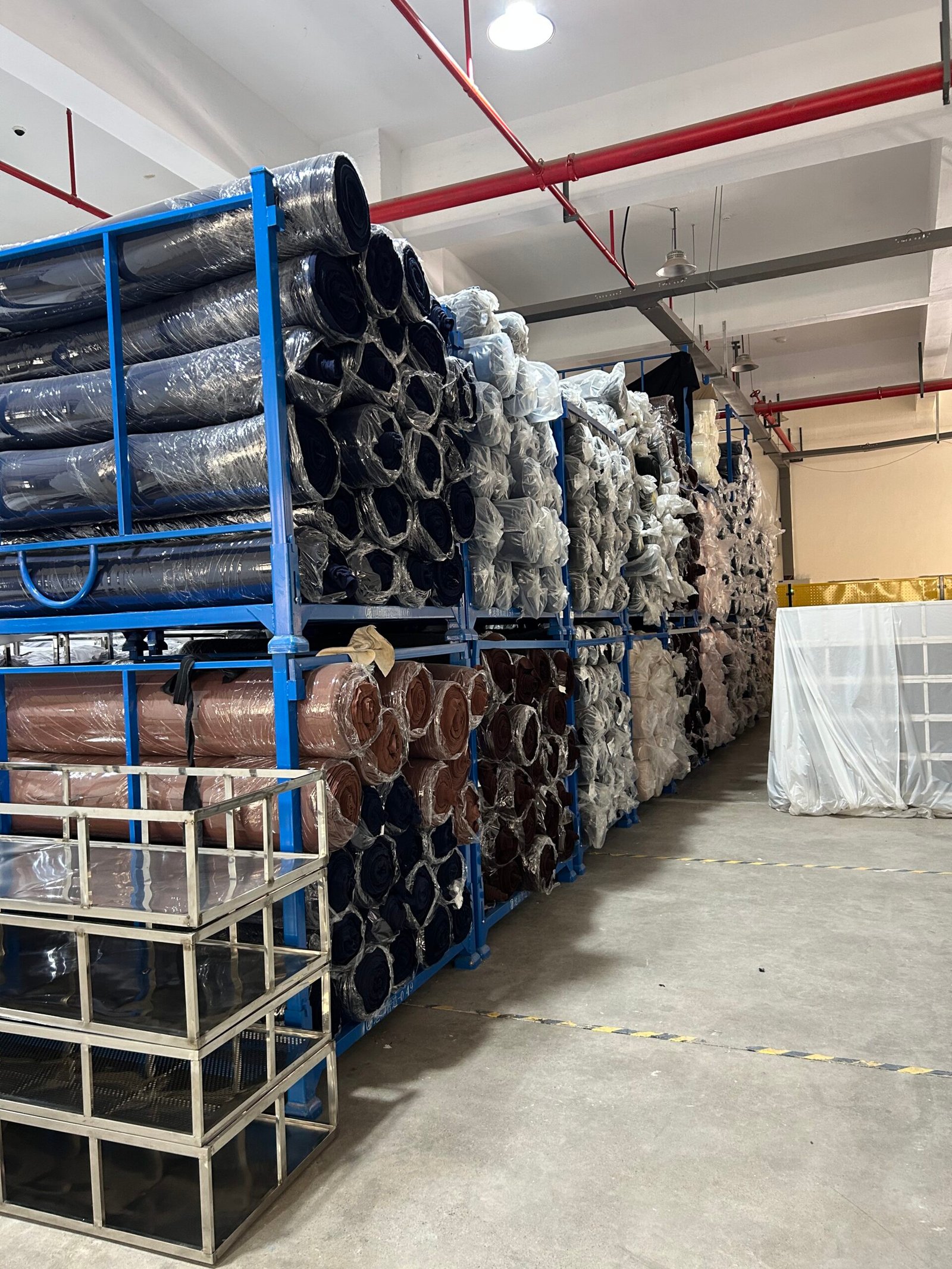
Different T-shirt designs may require very different fabrics, including:
- 100% cotton
- Cotton/polyester blends
- Polyester
- Cotton/spandex blends
- Recycled polyester
- Modal blends
- Lyocell blends
- Performance fabrics
Even when two T-shirts are both made from 100% cotton, their costs may still be different because of yarn quality, knitting structure, fabric weight, finishing, and color requirements.
How Does GSM Affect T-Shirt Cost?
GSM means grams per square meter and is commonly used to describe fabric weight.
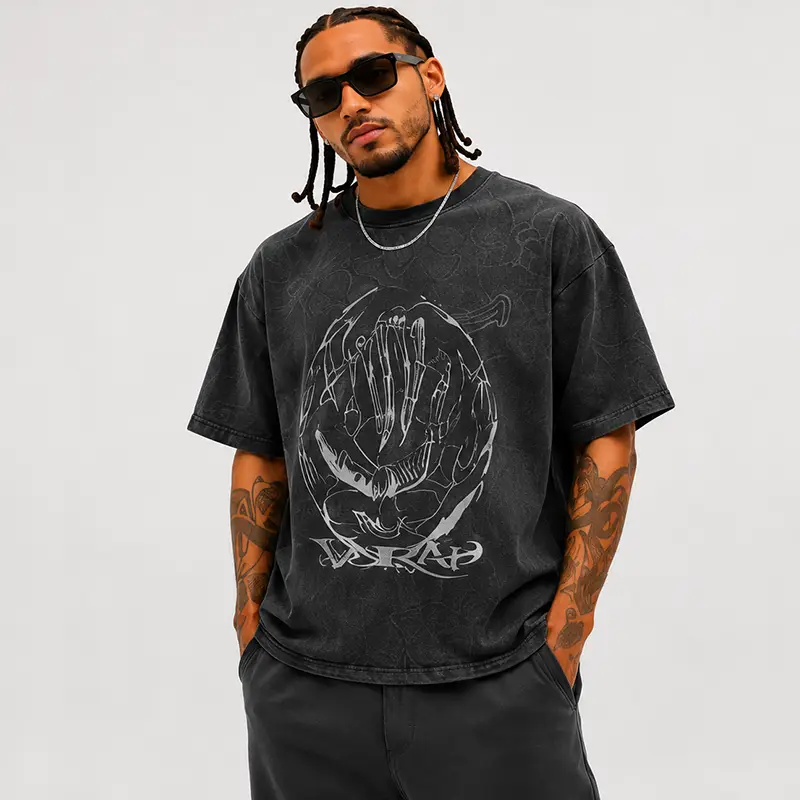
For example, a lightweight T-shirt and a 230 GSM heavyweight streetwear T-shirt require different amounts and specifications of fabric. In general, heavier fabrics require more raw material, but GSM alone does not determine the final fabric price.
Fabric composition, yarn, finishing, dyeing requirements, and purchasing quantity must also be considered.
For clothing brands, it is therefore better to tell the manufacturer the desired fabric composition, GSM, hand feel, and garment style instead of choosing fabric based only on weight.
You can also read our Custom Fabric Sourcing for Clothing Brands guide to learn more about fabric selection.
2. Printing and Embroidery Affect T-Shirt Manufacturing Cost
The artwork on a T-shirt can significantly affect its manufacturing cost.
Common customization techniques include:
- Screen printing
- DTG printing
- Embroidery
- Puff printing
- High-density printing
- Heat transfer printing
The price depends not only on which technique is used, but also on the size, position, number of colors, artwork complexity, and quantity.
For example, a small chest logo will normally have a different production cost from a large front-and-back graphic.
DTG Printing for Custom T-Shirts
DTG (Direct-to-Garment) printing prints artwork directly onto the garment. It is particularly useful for detailed graphics, gradients, photographic artwork, and designs containing many colors.
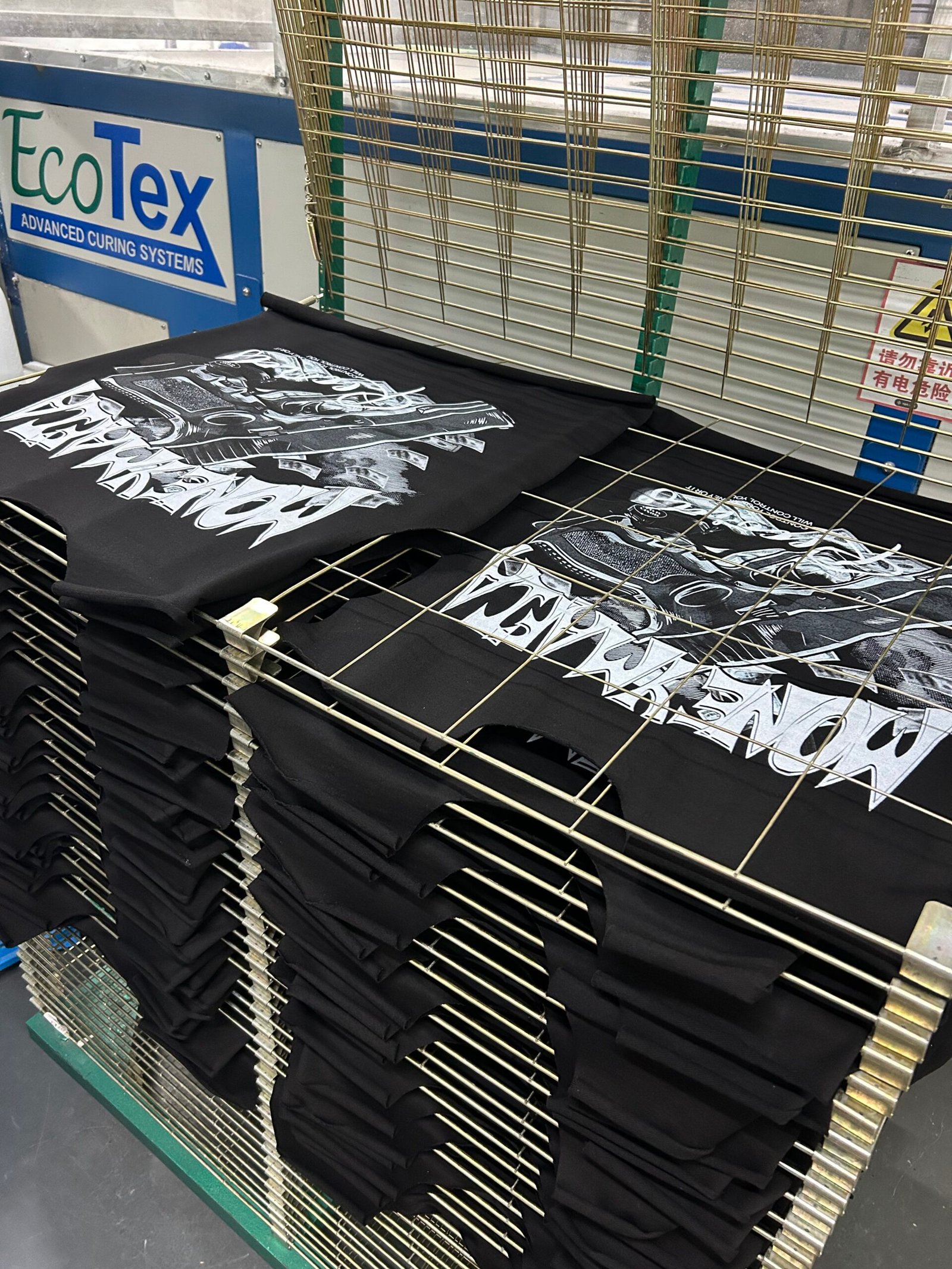
Here is a real DTG printing process from our custom T-shirt production:
For some designs, DTG can be a practical option because there is no need to create separate screens for every print color. However, the final cost still depends on artwork size, print position, fabric, pretreatment requirements, and order quantity.
Screen Printing for Custom T-Shirts
Screen printing is widely used for custom T-shirt bulk production. It is especially suitable for many streetwear graphics, logos, text, and designs requiring strong color coverage.
Screen printing normally involves screen preparation and color separation. Therefore, the number of print colors and print positions can influence the setup and production cost.
For example, printing one color on the front is much simpler than printing several colors on the front, back, and sleeves.
Learn more about our custom screen printing production process.
Embroidery for T-Shirts
Embroidery can create a more dimensional and premium appearance. Embroidery cost is generally influenced by the embroidery size, stitch count, complexity, position, and quantity.
A small embroidered chest logo and a large detailed back embroidery cannot be calculated at the same price simply because both use embroidery.
You can see more details in our Custom Clothing Embroidery Manufacturer guide.
3. Garment Construction and Sewing Details Also Affect Cost
The cost to manufacture a T-shirt is not determined by fabric and printing alone. The garment construction itself also matters.
Different designs may require different sewing operations, such as:
- Overlock stitching
- Coverstitching
- Topstitching
- Reinforced seams
- Special neckline construction
- Contrast panels
- Specialized sewing techniques
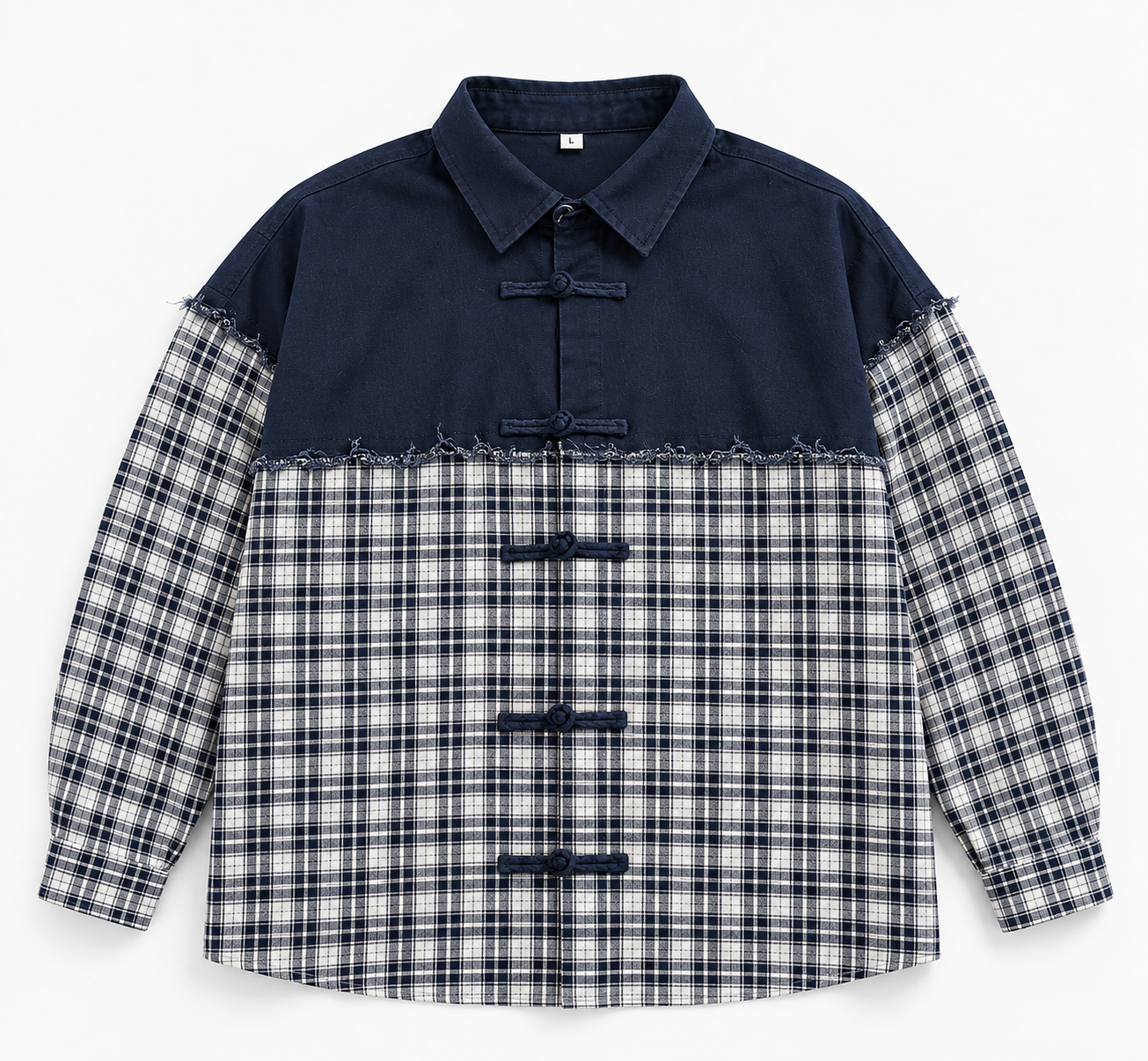
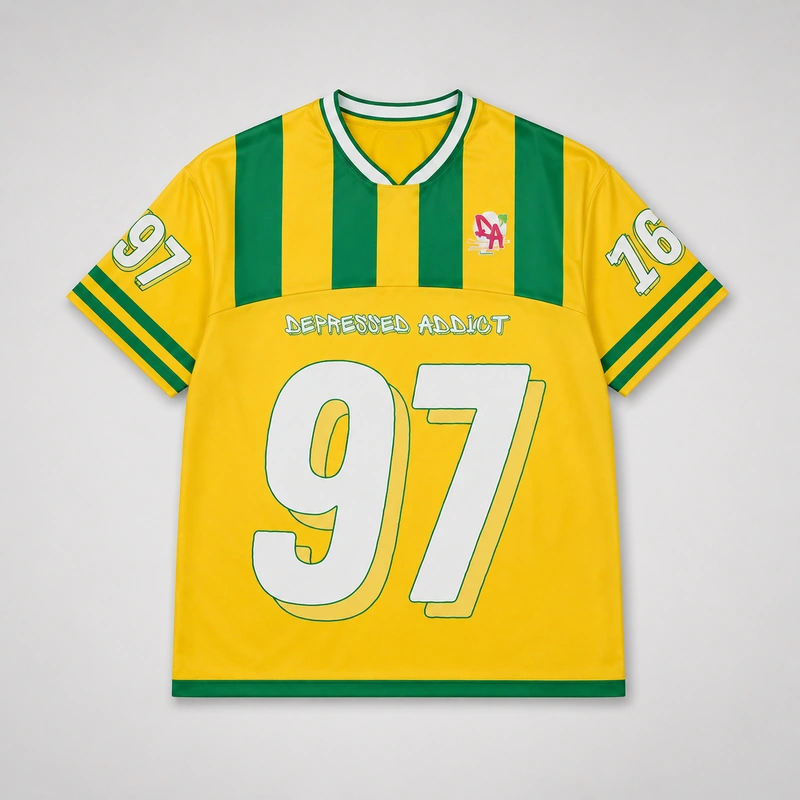
A basic T-shirt construction requires fewer production steps than a T-shirt with contrast panels, special seam details, custom ribbing, or complicated construction.
This is another reason why we prefer to review the complete design before providing the final production quotation.
4. Order Quantity Changes the Cost Per T-Shirt
Order quantity is another major factor in T-shirt manufacturing cost.
Many production costs are not calculated only by the number of finished garments. Fabric sourcing, pattern development, cutting preparation, printing setup, embroidery digitizing, labels, and production scheduling may all involve minimum setup costs.
When these costs are distributed across a larger production quantity, the average manufacturing cost per T-shirt can often decrease.
For startup clothing brands, the best approach is not always to order the largest possible quantity. A reasonable first production run can help test the fit, quality, customer response, and market demand before increasing future quantities.
For more information about production quantities, read our guide: What Is the MOQ for Custom Clothing?
5. Custom Labels and Packaging Add to the Final Cost
For clothing brands, a T-shirt is usually more than a blank garment with a printed logo.
Brand customization may also include:
- Woven neck labels
- Printed neck labels
- Care labels
- Size labels
- Hangtags
- Custom packaging bags
Each additional component has its own material, setup, and production cost. The quantity of labels and packaging can also affect the unit price.
When requesting a quotation, it is helpful to tell the manufacturer which branding details are required so they can be included in the calculation from the beginning.
6. Quality Inspection and Packing Are Part of T-Shirt Production
Manufacturing does not finish when the sewing or printing is completed.
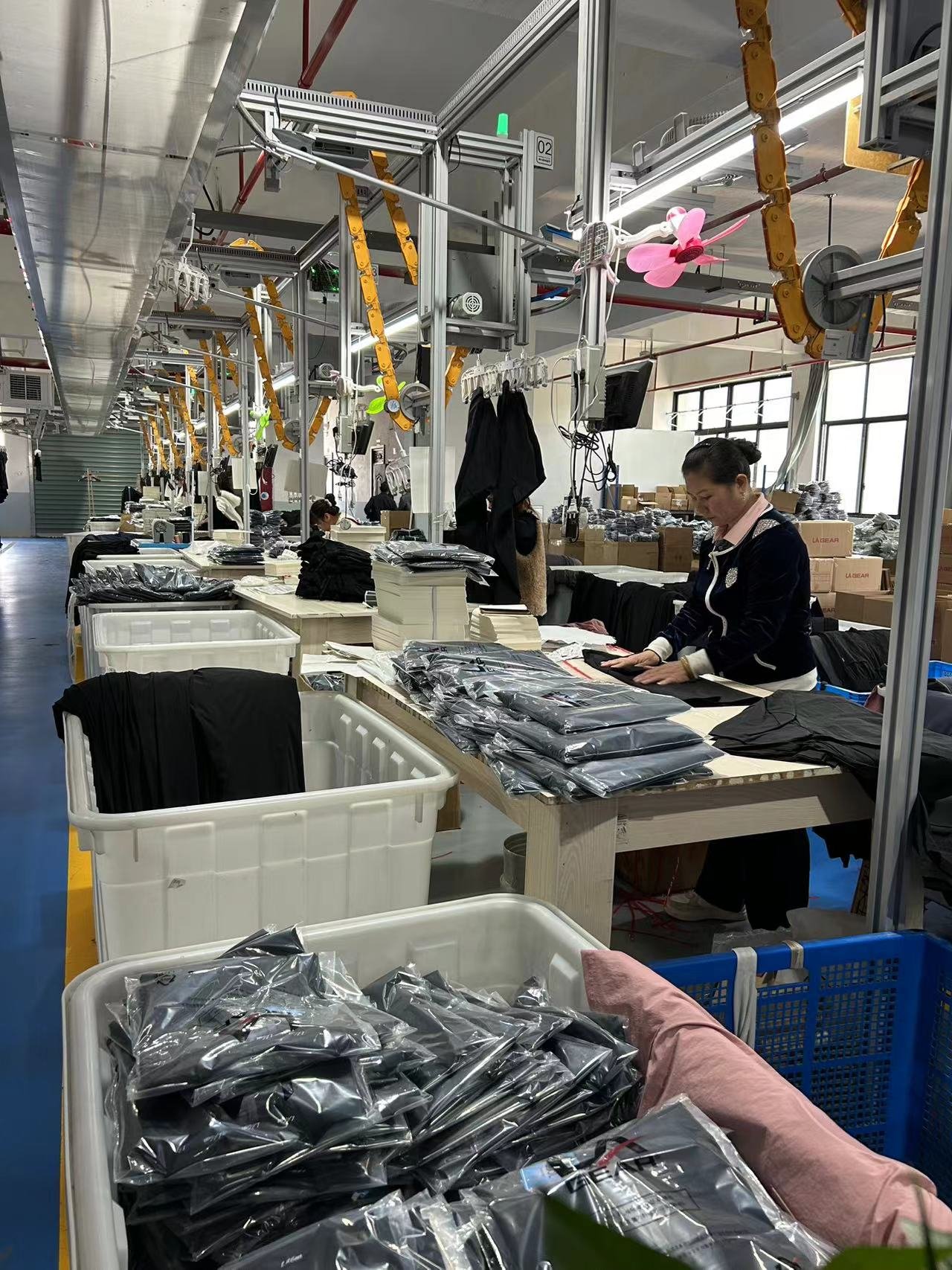
Finished garments normally need to go through finishing, inspection, thread trimming, measurement checks, folding, and packing before shipment.
For custom T-shirt production, quality control is especially important because the factory needs to check not only the garment construction but also print or embroidery placement, appearance, measurements, labels, and other customization details.
These production steps involve labor and are part of the real manufacturing cost of a finished T-shirt.
So, How Much Does It Cost to Manufacture a T-Shirt?
There is no universal price that applies to every custom T-shirt.
A simple T-shirt and a premium heavyweight streetwear T-shirt can have completely different costs even if the order quantity is the same.
| Cost Factor | What Can Affect the Price? |
|---|---|
| Fabric | Composition, GSM, yarn, color and finishing |
| Printing | Technique, colors, artwork size and positions |
| Embroidery | Size, stitch count, complexity and position |
| Construction | Pattern, seams, panels and sewing details |
| Quantity | Fabric purchasing and production setup costs |
| Branding | Labels, hangtags and custom packaging |
Therefore, an accurate T-shirt quotation should be based on the actual product rather than a generic price range.
What Should You Send a T-Shirt Manufacturer for an Accurate Quote?
If you want an accurate manufacturing quotation, we recommend sending as much of the following information as possible:
- Final T-shirt design or tech pack
- Fabric composition
- Desired GSM
- Size chart
- Printing or embroidery artwork
- Artwork dimensions and positions
- Color requirements or Pantone colors
- Custom label requirements
- Packaging requirements
- Estimated order quantity
If some specifications have not been finalized yet, that is also fine. A clothing manufacturer can often recommend suitable fabrics and production techniques after reviewing your design.
Should You Make a T-Shirt Sample Before Bulk Production?
For a new custom T-shirt design, we strongly recommend developing a sample before starting bulk production.
A physical sample allows the brand to check:
- Fabric quality and hand feel
- Garment fit
- Measurements
- Printing or embroidery result
- Color
- Sewing construction
- Labels and other details
Making corrections during sample development is much safer than discovering a problem after hundreds of garments have already been produced.
Frequently Asked Questions
Why can’t a clothing manufacturer give one fixed T-shirt price?
Because different T-shirts use different fabrics, weights, construction methods, printing or embroidery techniques, labels, and quantities. The manufacturer needs to understand the final design before calculating an accurate price.
Is screen printing cheaper than DTG?
It depends on the design and quantity. Screen printing can be cost-effective for many bulk orders, while DTG can be practical for detailed, multi-color artwork and certain smaller production runs. Artwork size, print positions, fabric, and quantity should all be considered.
Does a heavier GSM always mean a more expensive T-shirt?
Not necessarily. Higher GSM generally means more fabric weight, but fabric composition, yarn quality, knitting, dyeing, finishing, and purchasing quantity also affect the final cost.
Can startup clothing brands manufacture custom T-shirts?
Yes. Many startup brands begin with sample development followed by a relatively small first production run. The achievable MOQ depends on the fabric, colors, decoration technique, labels, and other customization requirements.
Do I need a complete tech pack before contacting a manufacturer?
A complete tech pack is helpful but not always necessary for the first discussion. You can start by sending your final design, reference images, fabric requirements, size information, artwork, and estimated quantity. The missing production details can then be confirmed during development.
Get a Custom T-Shirt Manufacturing Quote
If you are developing a T-shirt for your clothing brand, the most useful first step is to send us your final design or tech pack.
At ASNA Apparel, we provide custom T-shirt development and production based on customers’ designs, including fabric sourcing, sample development, screen printing, DTG printing, embroidery, custom labels, and bulk production.
Instead of guessing a generic T-shirt price, we can review your design and determine the appropriate fabric, production process, decoration method, and manufacturing requirements.
Explore our Custom T-Shirt Manufacturing products or contact ASNA Apparel with your design, specifications, and estimated quantity to discuss your project.
Manufacturing costs vary according to product specifications, materials, customization requirements, order quantity, and other production factors. Any quotation should be based on the final confirmed design and requirements.