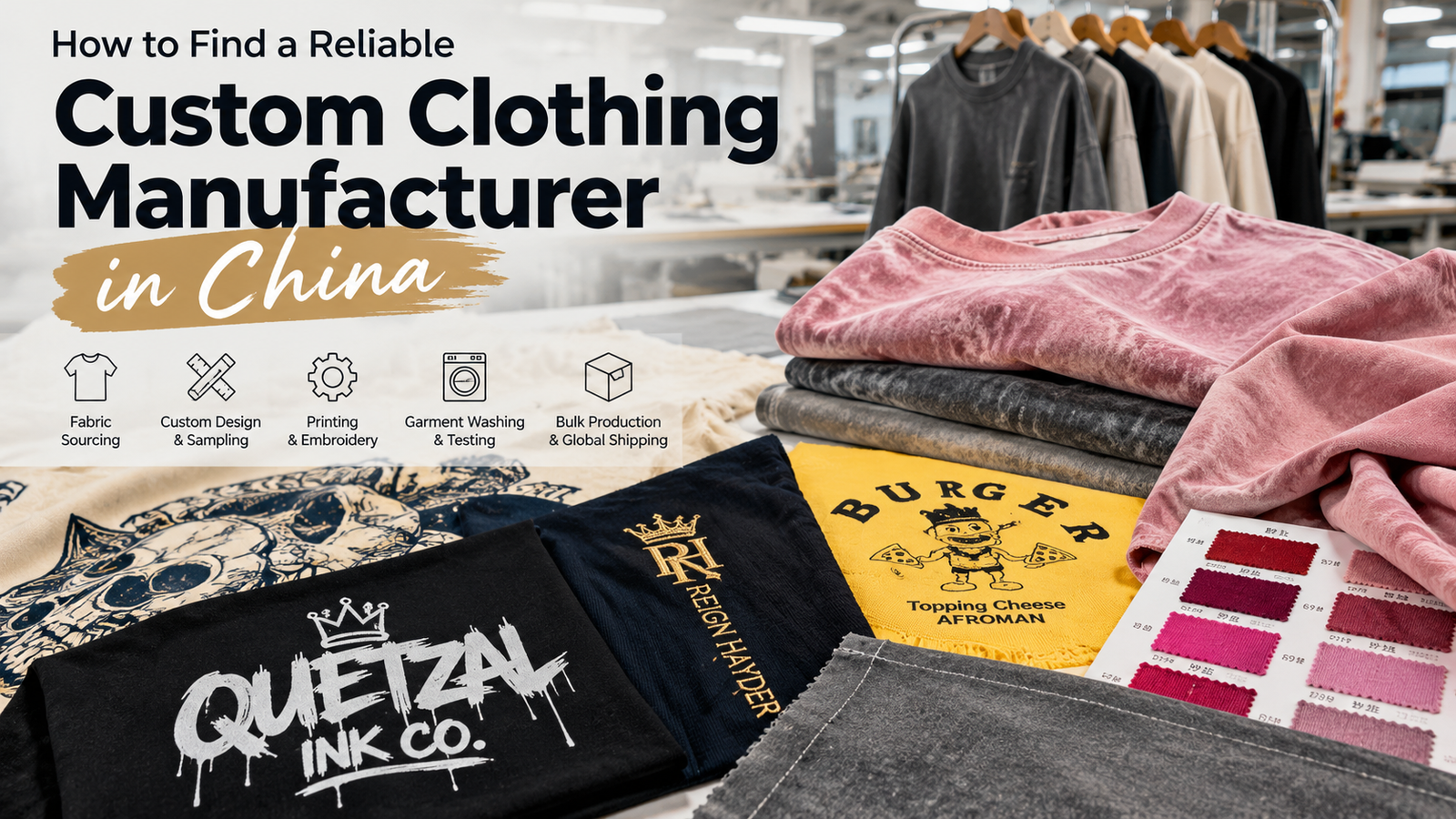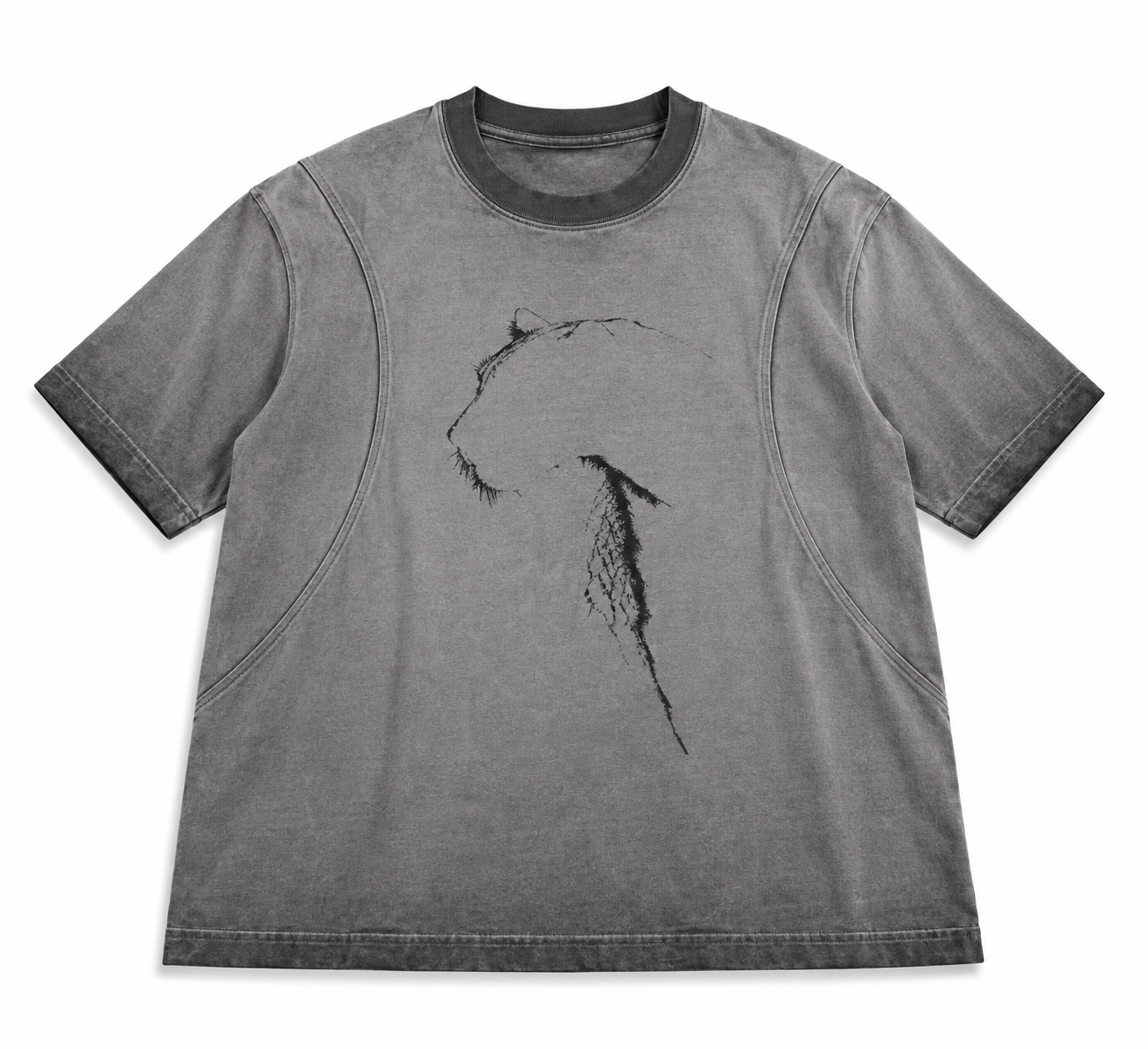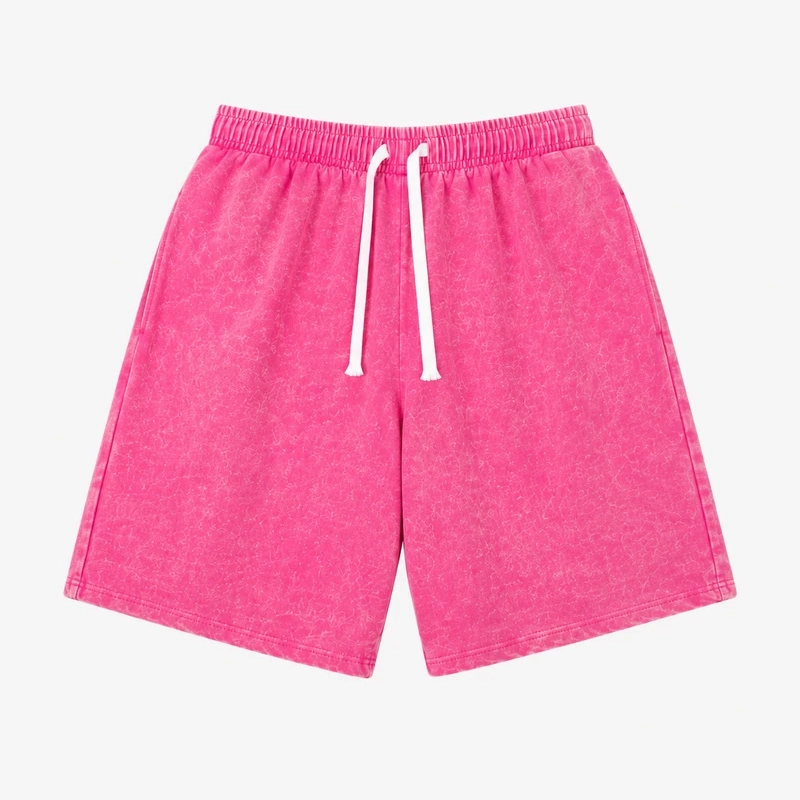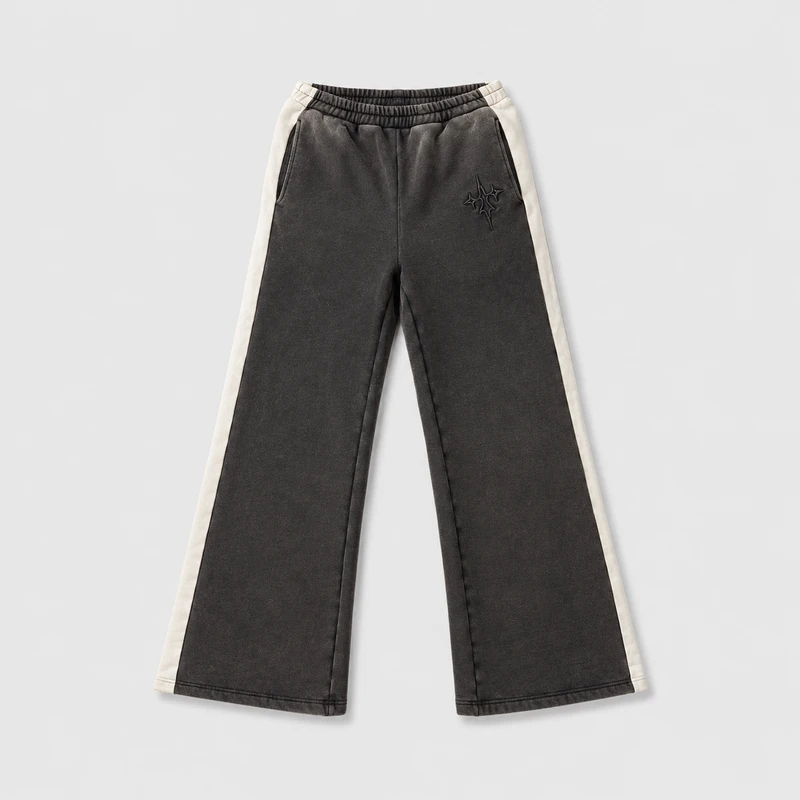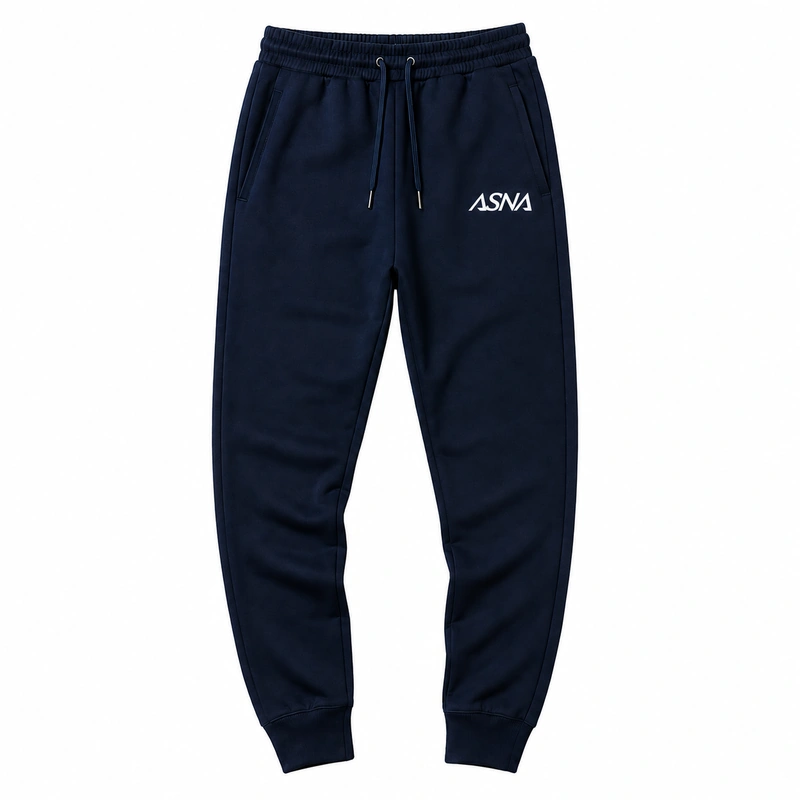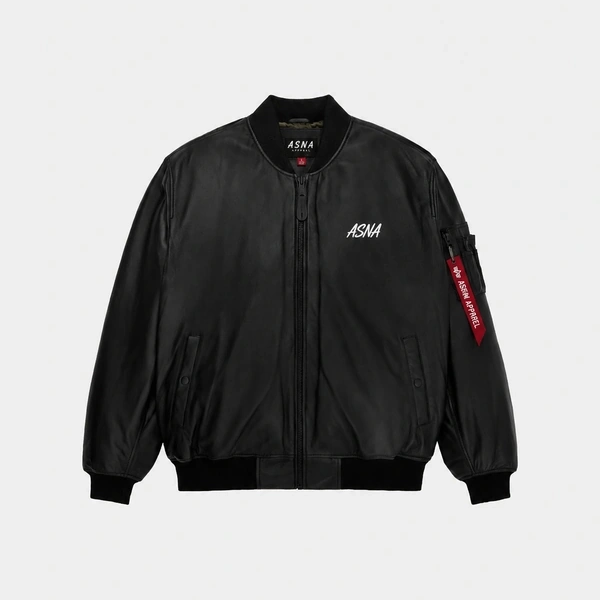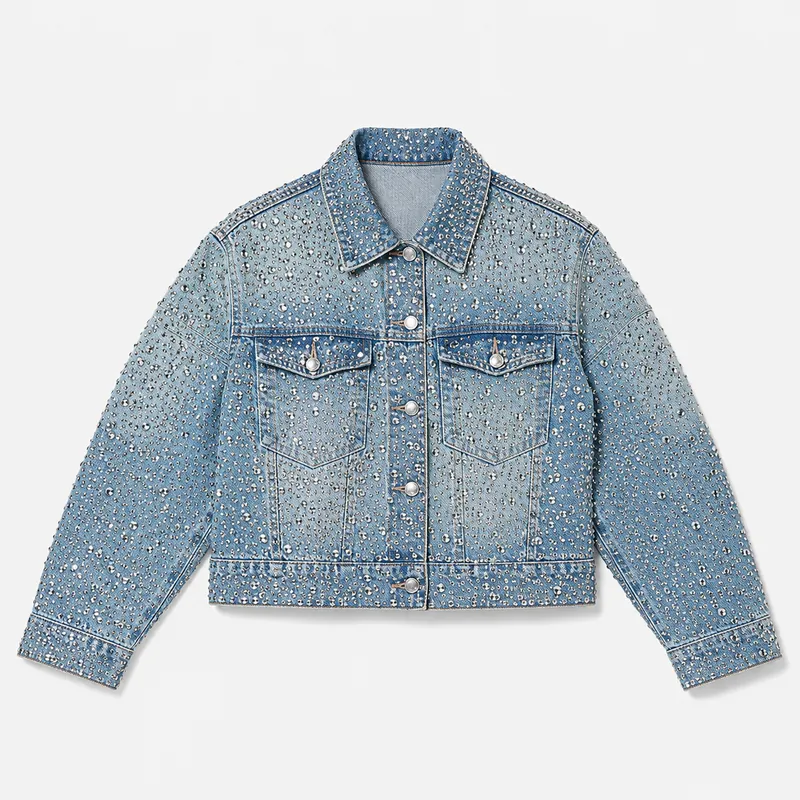
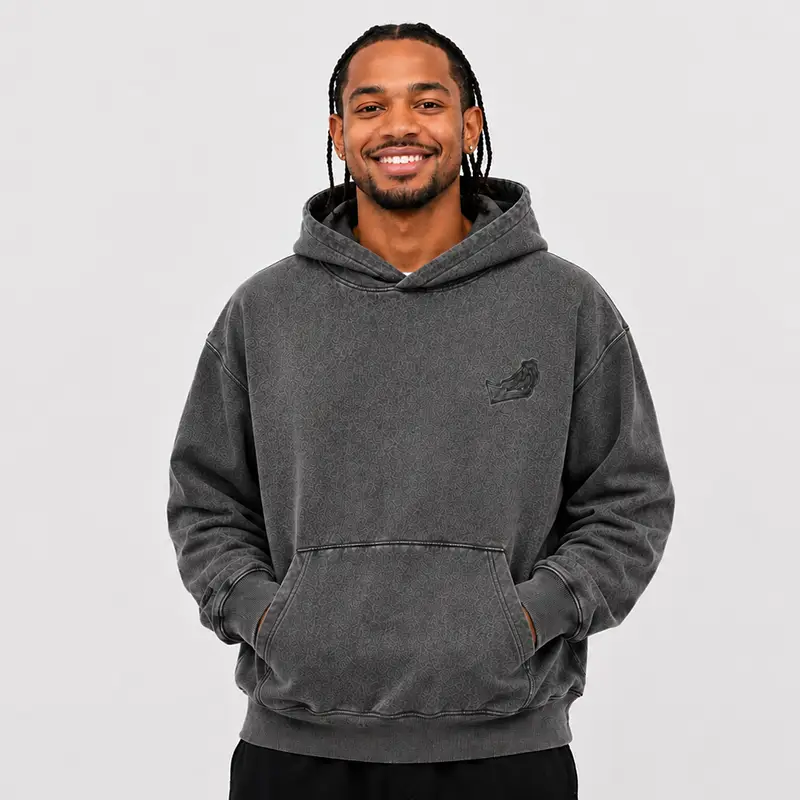
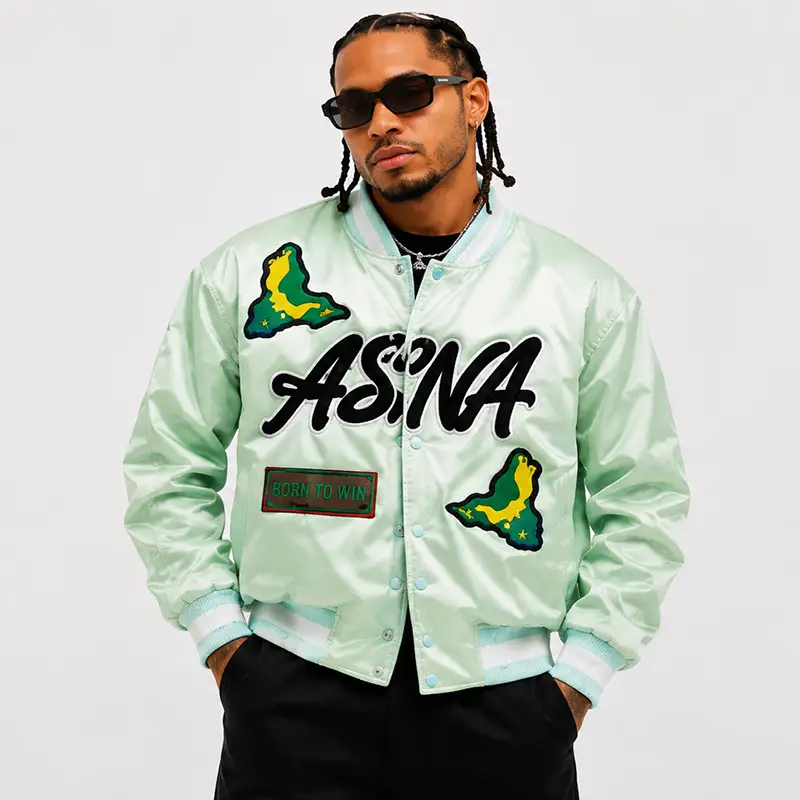
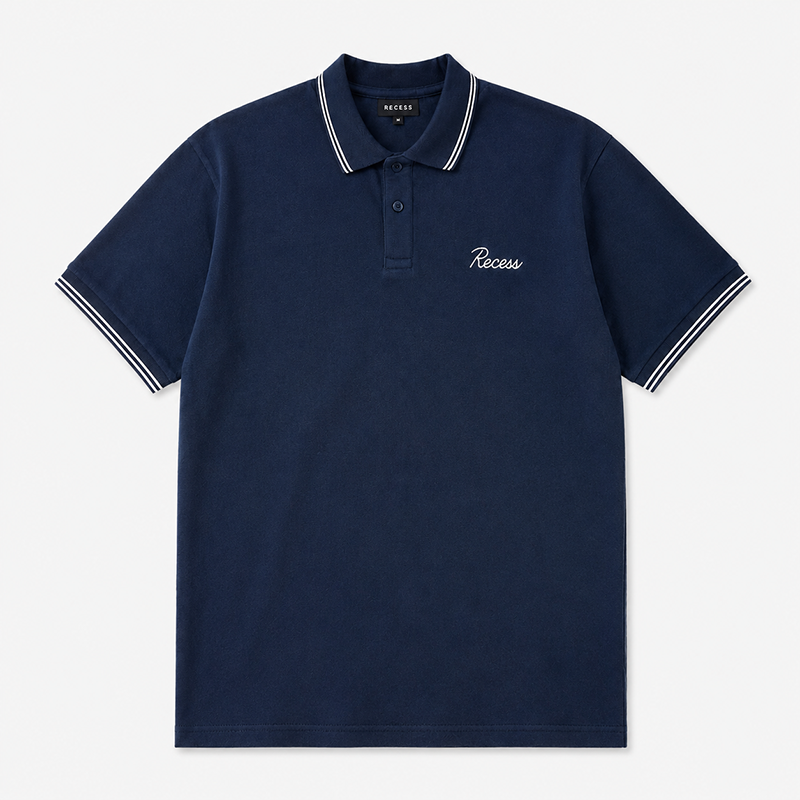
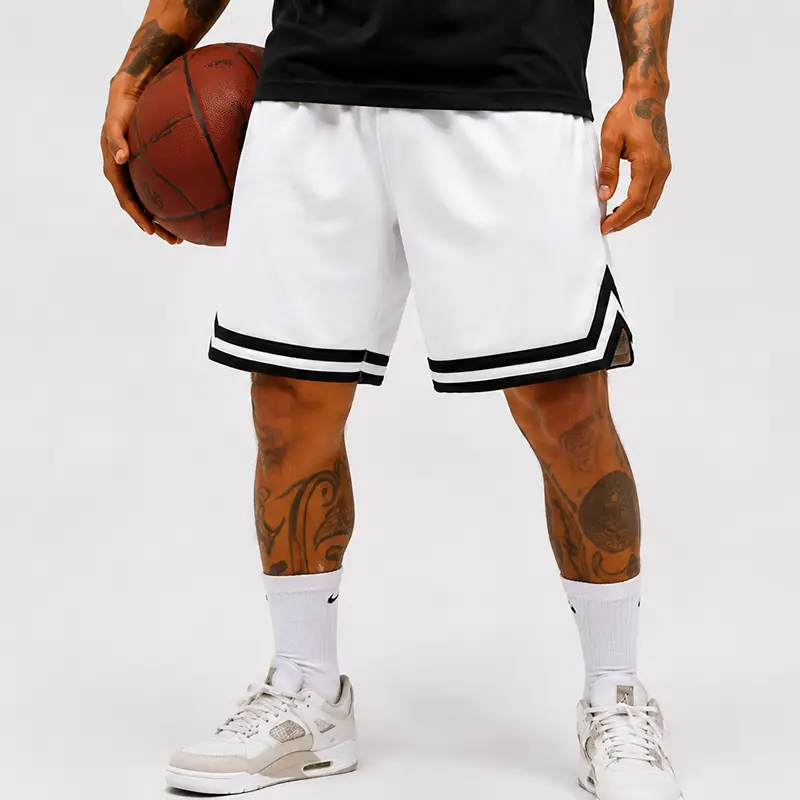
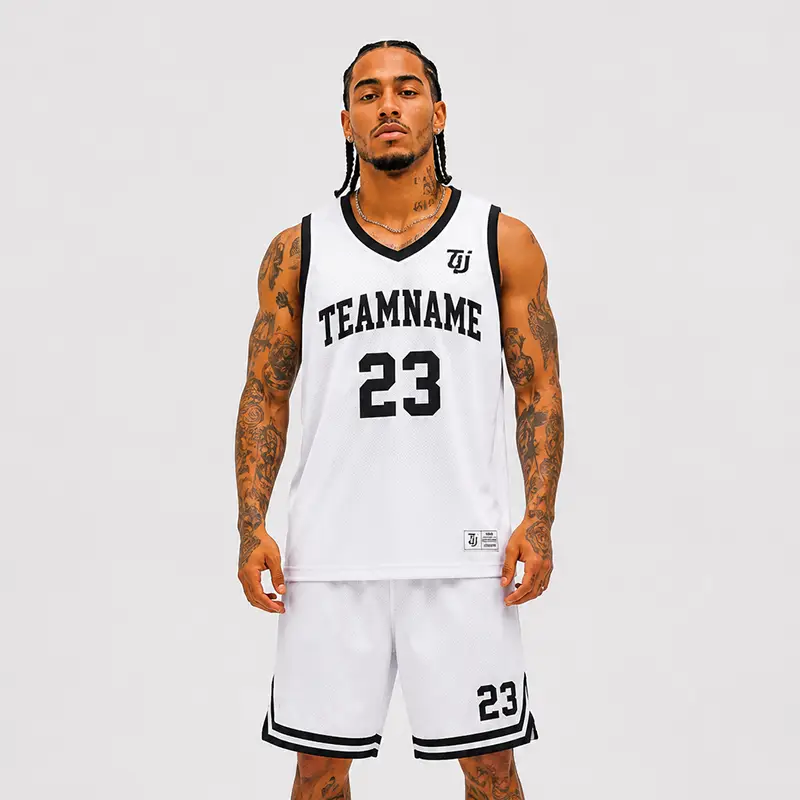
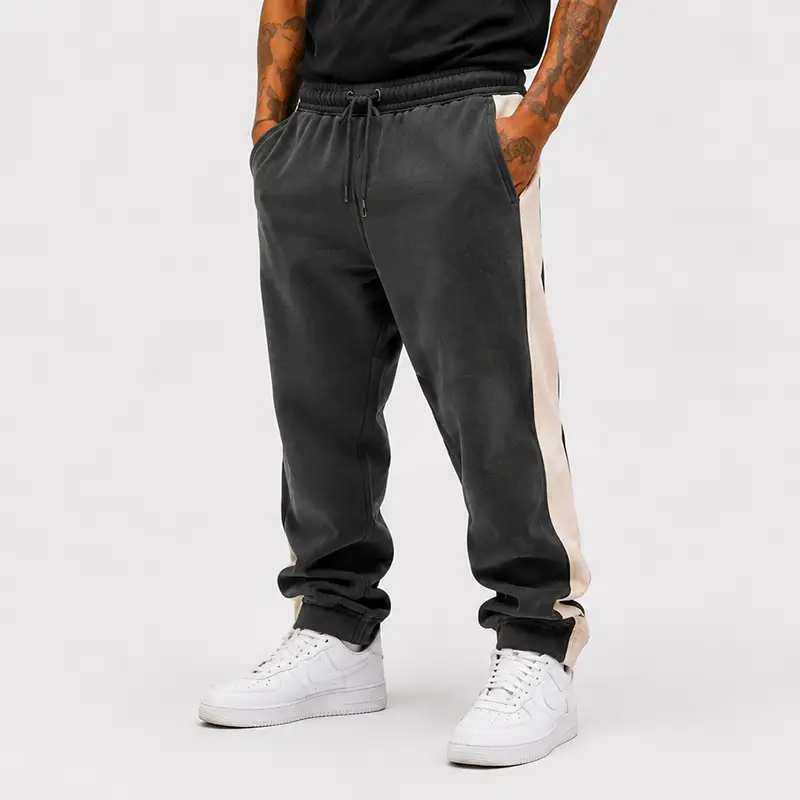
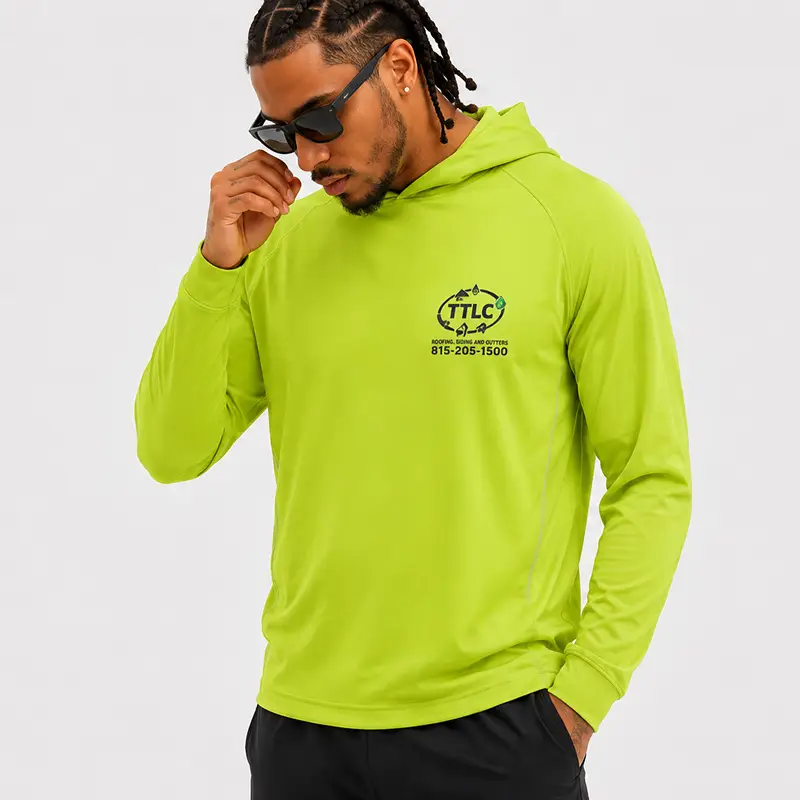
If you are starting a clothing brand, choosing the right manufacturer is one of the most important decisions you will make. A reliable manufacturing partner can help you improve product quality, reduce production risks and make the development process much easier.
However, finding a clothing manufacturer for your brand is not only about comparing prices. You should also consider the manufacturer’s experience, communication, product quality, lead time, MOQ, customization capability and whether they have produced similar garments before.
In this guide, we will explain what you should prepare before contacting a clothing manufacturer, what questions to ask, what warning signs to look for and how startup clothing brands can reduce unnecessary mistakes.
1. Prepare a Clear Design Before Contacting a Clothing Manufacturer
Before asking for a quotation, prepare your garment information as clearly as possible. The more complete your information is, the more accurate the manufacturer’s quotation and production plan will be.
Ideally, you should provide:
- Front and back garment design
- Fabric requirements
- Fabric composition and GSM if known
- Printing or embroidery details
- Garment color
- Size chart
- Custom labels and packaging requirements
- Estimated order quantity
If you only send one reference photo and ask, “How much is this?”, it is very difficult for any manufacturer to give you an accurate price. Two garments that look similar in a photo can have completely different costs depending on the fabric, GSM, construction, washing process, printing technique and accessories.
2. Never Copy a Random Size Chart from the Internet
This is one of the most important points for a new clothing brand.
Different countries, brands and garment styles can use very different measurements. A size M in one brand may be close to a size L or XL in another brand. Oversized, boxy, regular fit, cropped and slim-fit garments also require completely different proportions.
Never copy a random size chart from the internet simply because it belongs to a similar garment.
If you already have a size chart developed for your brand, send it to the manufacturer. If you do not have one, the safest option is to find a physical garment with the fit you like and measure it carefully.
Important measurements may include chest width, body length, shoulder width, sleeve length, cuff width, hem width and neckline measurements depending on the garment.
A professional clothing manufacturer should also help check whether the measurements are reasonable before sample development.
3. Check Whether the Manufacturer Has Made Similar Clothing Before
Do not only ask a supplier, “Can you make hoodies?” or “Can you make T-shirts?”
Instead, ask whether they have produced garments with a similar fabric weight, fit, washing process, printing technique or embroidery style.
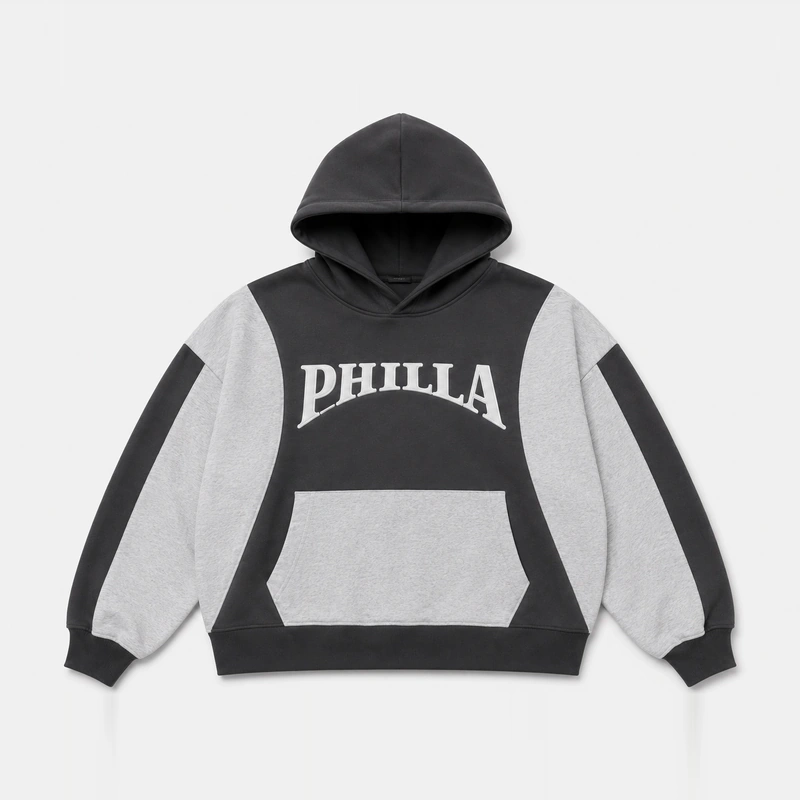
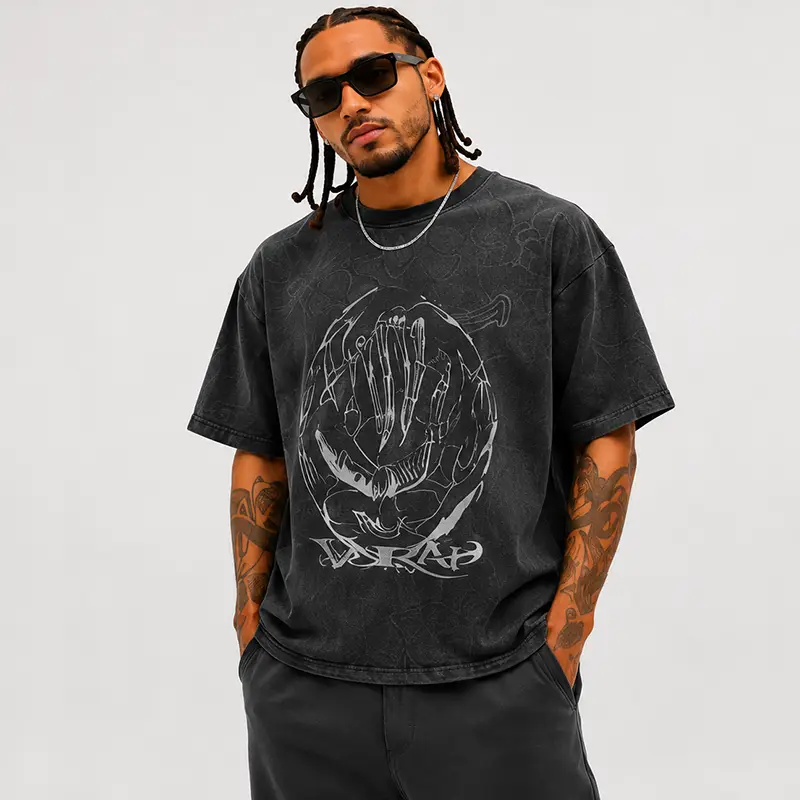
For example, producing a basic 280 GSM hoodie is very different from producing a 500 GSM oversized streetwear hoodie with acid washing, embroidery and custom trims.
Ask the manufacturer to show previous production examples that are relevant to your design. This can help you understand whether they have practical experience with your type of product.
You can also review specific product categories such as our custom T-shirt manufacturing and custom hoodie manufacturing capabilities.
4. Check Customer Reviews and Previous Feedback
Previous customer feedback can help you understand how the supplier communicates, handles quality issues and manages production.
Do not only look at the overall star rating. Read the actual comments and pay attention to feedback about:
- Product quality
- Communication
- Sample development
- Lead time
- Problem solving
- Repeat orders
You can view previous customer feedback for ASNA Apparel on our Alibaba.com customer review page.
Customer reviews are useful, but they should be combined with product samples, factory information and direct communication before you make a final decision.
5. Ask About Sample Lead Time and Bulk Production Lead Time
Price is important, but delivery time is equally important for a clothing brand.
Before placing an order, ask clearly about:
- Sample development time
- Fabric sourcing time
- Printing or embroidery setup time
- Bulk production lead time
- Quality inspection time
- Shipping time
A supplier who offers a very low price but constantly delays samples and production can create serious problems for your product launch.
You should also understand that highly customized garments may require additional time for fabric sourcing, washing tests, embroidery digitizing, screen preparation, custom labels or special trims.
6. Check the Manufacturer’s Fabric Sourcing Capability
Fabric can completely change the appearance, comfort and quality of a garment.
A good clothing manufacturer should be able to help you compare fabric composition, GSM, texture, stretch, shrinkage and suitability for different printing or embroidery techniques.
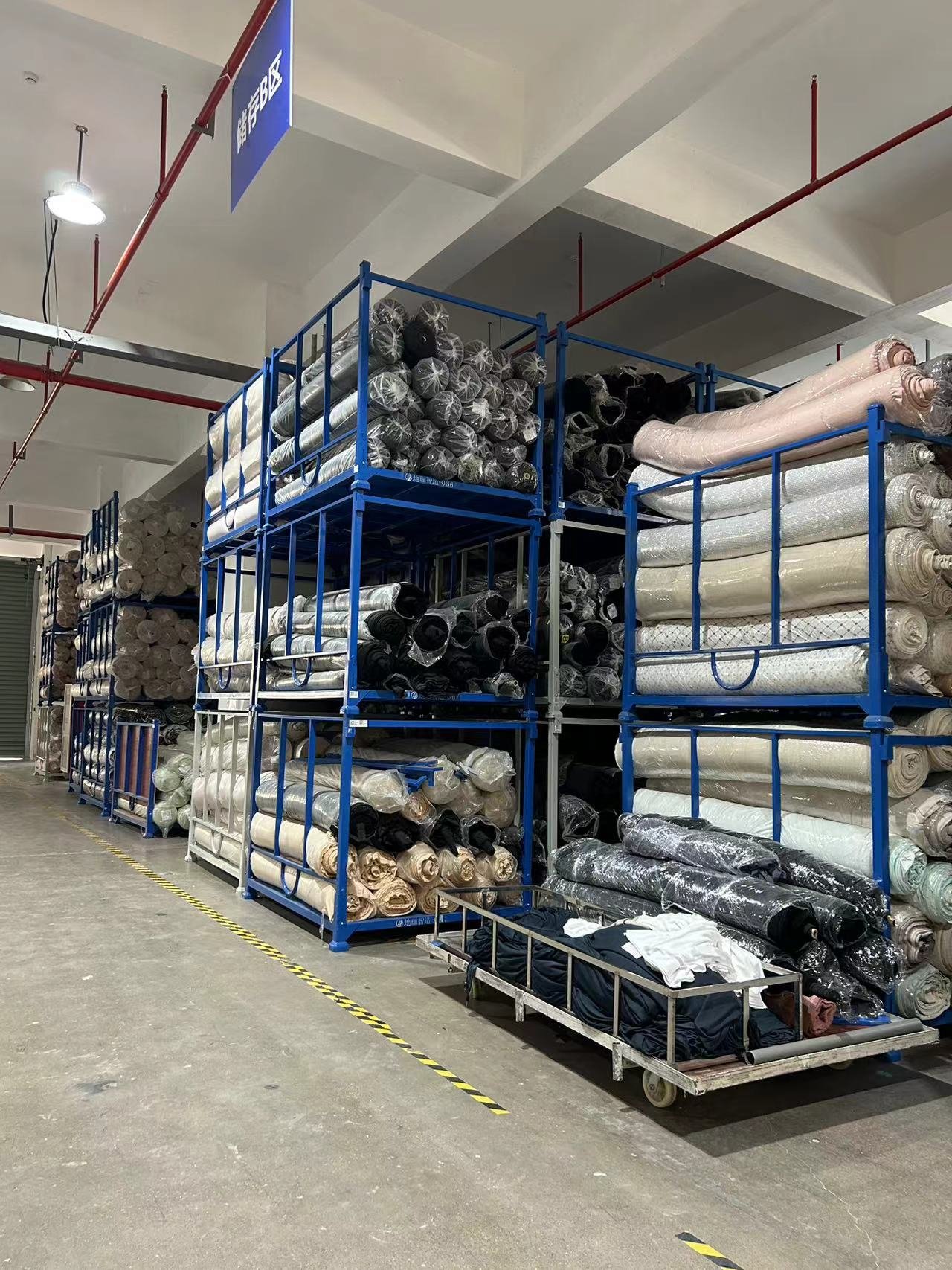
For example, a heavyweight oversized T-shirt may require a completely different fabric from a lightweight fashion T-shirt. Hoodies may use French terry, loopback, brushed fleece or other constructions depending on the required hand feel and season.
You can read our detailed guide about custom fabric sourcing for clothing brands to learn more.
7. Ask How the Factory Controls Fabric and Garment Quality
Quality control should not begin only after the garments are finished.
Experienced manufacturers inspect fabric and production details at different stages to reduce problems before they become expensive.

Important quality-control points may include:
- Fabric inspection
- Fabric shrinkage testing when required
- Pattern and measurement checking
- Printing or embroidery sample approval
- In-line production inspection
- Measurement checking
- Final appearance inspection
- Thread trimming
- Ironing
- Packing inspection
8. Always Develop a Sample Before Bulk Production
For a new custom design, a sample is one of the best ways to reduce production risk.
A sample allows you to check:
- Fit and measurements
- Fabric feel and weight
- Garment proportions
- Printing size and placement
- Embroidery quality
- Label placement
- Color appearance
- Overall construction
If something needs to be adjusted, it is much easier to correct one sample than an entire bulk order.
This is especially important when using custom techniques such as screen printing or custom embroidery.
9. Do Not Choose a Manufacturer Only Because They Offer the Lowest MOQ
For startup clothing brands, MOQ is important because large order quantities can create inventory pressure.
However, a very low MOQ does not automatically mean that a manufacturer is the right partner.
You should consider the complete combination of:
- MOQ
- Quality
- Fabric availability
- Customization capability
- Communication
- Lead time
- Sample quality
- Bulk production consistency
For many custom clothing projects, MOQ can start from around 50 pieces per design depending on the fabric, colors, printing or embroidery technique, labels and other customization requirements.
You can learn more in our guide: What Is the MOQ for Custom Clothing?
10. Be Careful With Manufacturers Who Say “Yes” to Everything
A professional manufacturer should not agree to every request without checking whether it is technically suitable.
Sometimes the correct response from an experienced supplier is:
- This fabric may be too thin for this construction.
- This embroidery detail may be too small.
- This printing technique may not work well on this fabric.
- This measurement may cause an unusual fit.
- This washing process may affect the print.
This is not a negative sign. In many cases, it shows that the supplier is trying to identify production risks before manufacturing.
A good manufacturing partner should not only make what you ask for. They should also help you identify manufacturing risks before they become expensive mistakes.
11. Ask About Private Labels and Custom Packaging
A clothing brand is not only the garment itself. Labels, hangtags and packaging also influence how professional the final product looks.
Ask whether your manufacturer can support:
- Custom neck labels
- Woven labels
- Care labels
- Size labels
- Hangtags
- Custom packaging bags
For new brands, it is often useful to develop and check label samples before bulk production so that branding details can be confirmed in advance.
12. Ask About Final Quality Inspection and Packing
Before shipping, the manufacturer should inspect finished garments and confirm that the bulk production matches the approved requirements as closely as possible.

Final inspection may include checking measurements, printing, embroidery, stains, sewing quality, labels, accessories and packaging.
For startup brands, this step is especially important because receiving a large quantity of incorrect garments can create significant financial pressure.
13. See the Factory Before You Place a Large Order
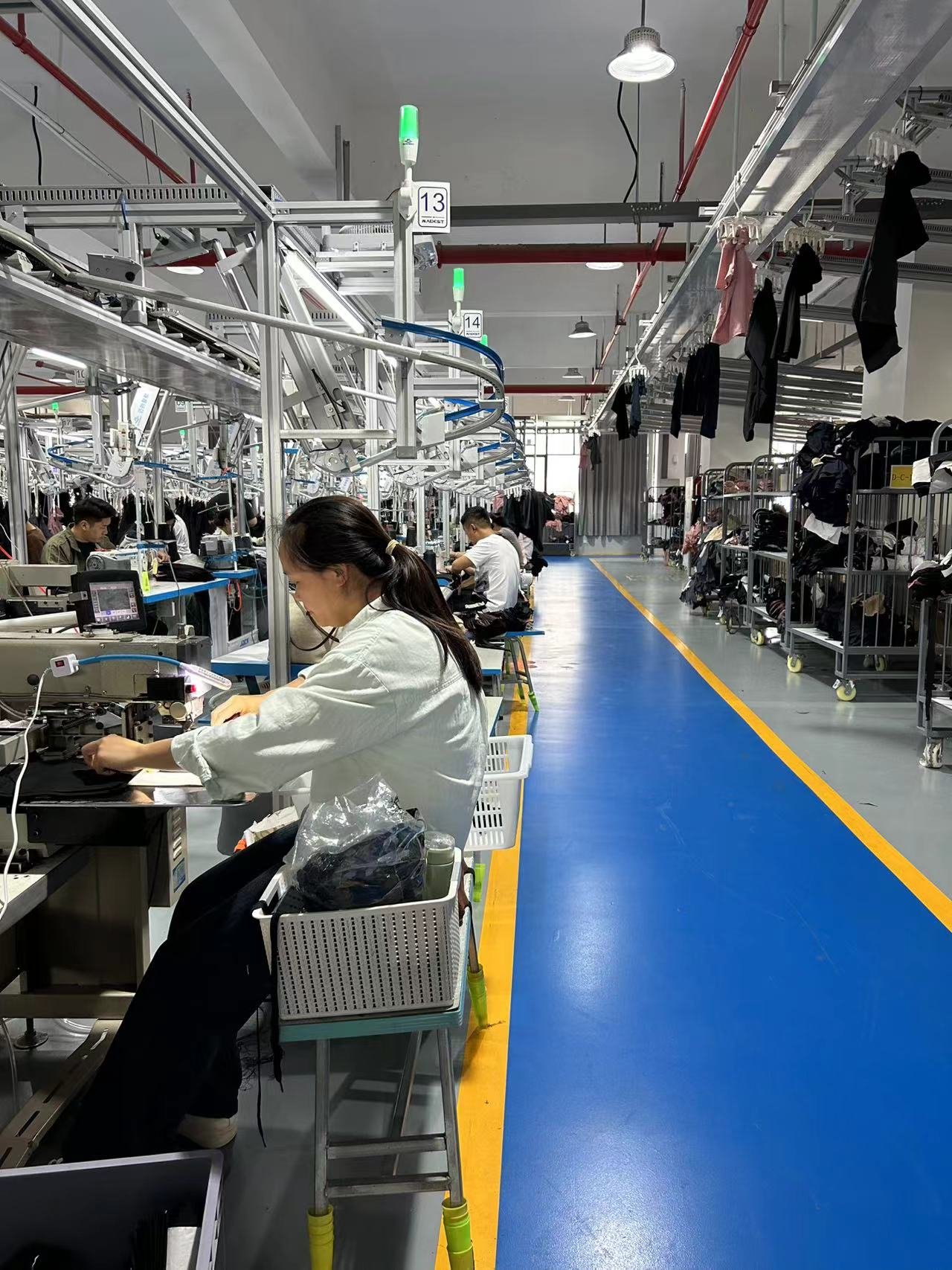
When possible, look at real factory photos and videos rather than relying only on product mockups or sales presentations.
Factory videos can help you understand the production environment, equipment, workflow and scale of the manufacturer.
See Inside ASNA Apparel’s Clothing Factory

14. Why ASNA Apparel Works Well With Startup Clothing Brands
ASNA Apparel works with both established brands and new clothing brands that are developing their first collections.
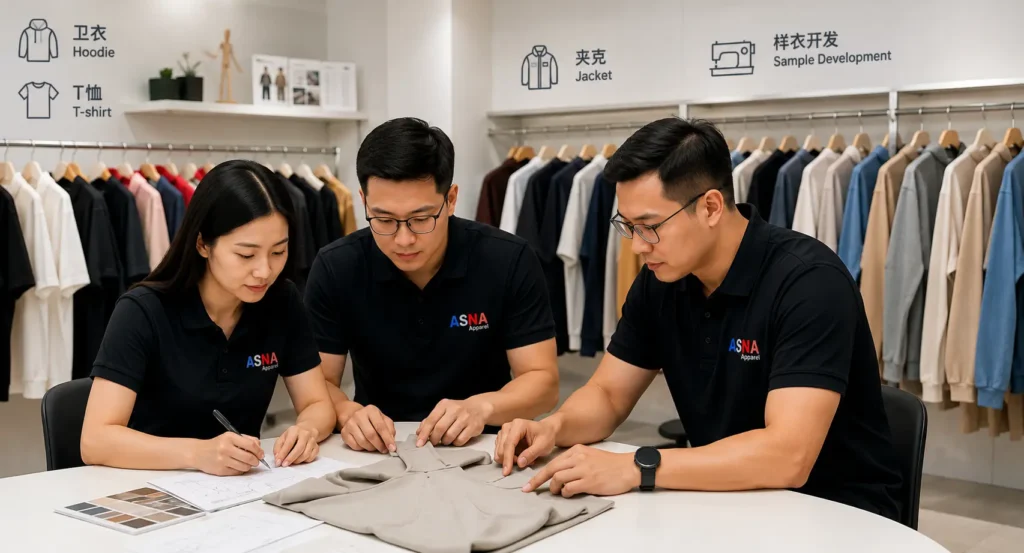
We understand that many startup brand owners have strong creative ideas but may not yet be familiar with every part of garment manufacturing. Our team communicates patiently throughout the development process and helps customers identify important production details before proceeding.
Our support includes:
- Flexible MOQ: Order quantity can be evaluated according to the garment design, fabric and customization requirements.
- Sample Development: Samples can be produced before bulk orders to confirm fit, fabric and workmanship.
- Size Chart Support: We help customers review measurements and clarify garment measurement methods.
- Fabric Sourcing: We help identify suitable fabrics according to the design, GSM, composition and hand feel requirements.
- Printing and Embroidery: Support for screen printing, DTG printing, embroidery and other customization techniques.
- Private Labels: Custom neck labels, woven labels, care labels and hangtags can be developed for the brand.
- Custom Packaging: Custom packaging bags can also be arranged according to branding requirements.
- Bulk Production: Production is arranged after key sample details are confirmed.
- Quality Inspection: Finished garments are checked before packing and shipment.
The goal is not only to manufacture clothing, but to help new brands turn their design ideas into production-ready garments while avoiding unnecessary mistakes during development.
15. Red Flags When Choosing a Clothing Manufacturer
When comparing manufacturers, be careful if you notice the following warning signs:
- The supplier gives an exact quotation without asking about fabric, GSM, size or customization details.
- They agree to every technical request without checking whether it is suitable.
- They cannot show any similar previous production.
- They refuse to develop a sample for a highly customized garment.
- Communication is very slow before you have even placed an order.
- Lead times sound unrealistic compared with the complexity of the project.
- They cannot clearly explain how bulk quality will be checked.
Frequently Asked Questions
How do I find a clothing manufacturer for my brand?
Start by defining your garment type, design, fabric, size chart, customization requirements and estimated order quantity. Then compare manufacturers based on relevant production experience, samples, customer reviews, MOQ, communication, lead time and quality-control capability.
What should I send a clothing manufacturer for a quotation?
You should send clear front and back designs, fabric requirements, size chart, printing or embroidery details, colors, labels, packaging requirements and estimated quantity whenever possible.
Should I make a sample before bulk production?
Yes. For most custom clothing designs, sample development is strongly recommended because it allows you to check fit, fabric, construction, printing, embroidery and other details before committing to bulk production.
Can a new clothing brand start with a small order?
Yes, depending on the garment, fabric and customization requirements. Some custom clothing projects can start from around 50 pieces per design, while other fabrics or techniques may require a higher MOQ.
What makes a good clothing manufacturer for a startup brand?
A good manufacturer should communicate clearly, understand custom development, help identify production risks, support sampling, offer reasonable MOQ options and provide consistent quality throughout bulk production.
Start Your Custom Clothing Project
If you are looking for a clothing manufacturer for your brand, ASNA Apparel can help with design development, fabric sourcing, sampling, printing, embroidery, private labels, packaging and bulk production.
Send us your design, size chart and estimated quantity, and our team will review the project with you before sample development.