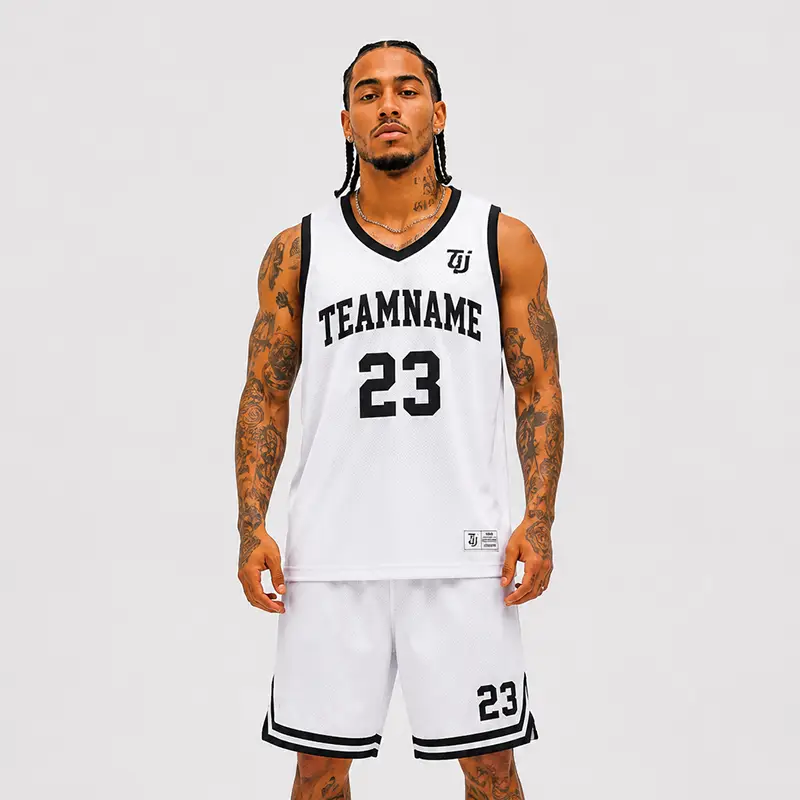
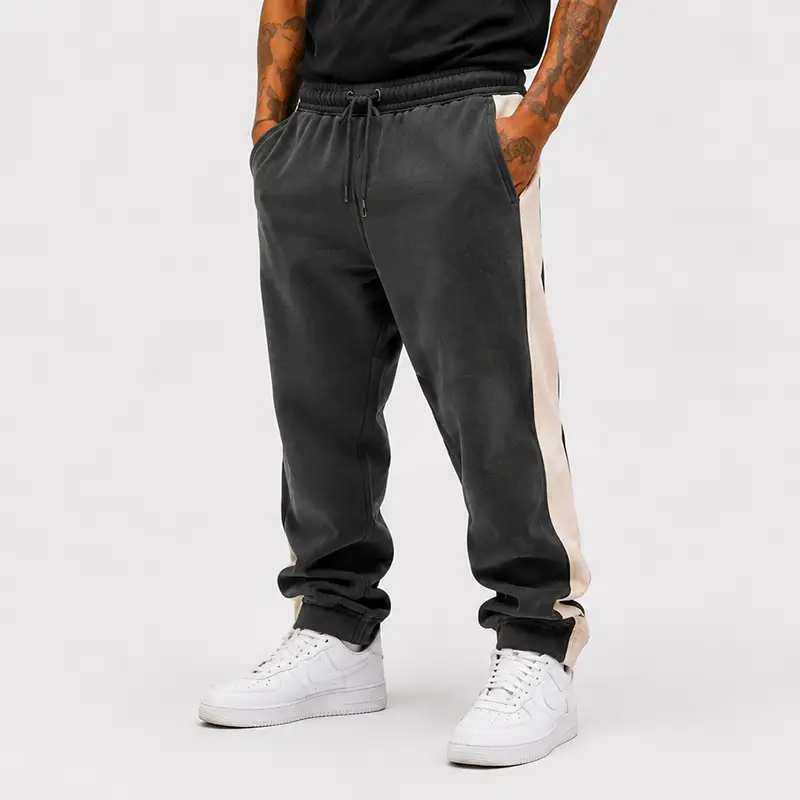
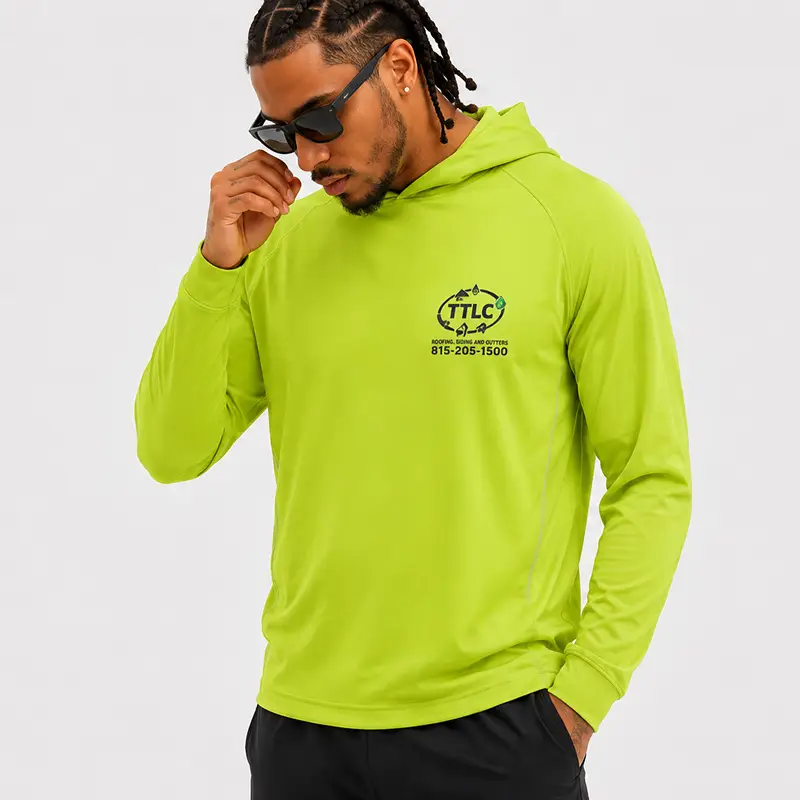
If you are starting a clothing brand, one of the first questions you may ask a manufacturer is: What is the MOQ for custom clothing?
MOQ means Minimum Order Quantity — the smallest quantity a manufacturer can reasonably produce for a specific order. For many custom clothing projects, the MOQ can start from around 50 pieces per design, depending on the fabric, colors, printing or embroidery technique, labels, garment construction and other customization requirements.
However, there is no single MOQ that applies to every garment. A basic T-shirt using available fabric is very different from a custom-dyed heavyweight hoodie with embroidery, screen printing and custom trims.
In this guide, we explain how clothing MOQ works, what affects it, and how startup clothing brands can plan smaller first orders more efficiently.
What Does MOQ Mean in Clothing Manufacturing?
MOQ stands for Minimum Order Quantity. In clothing manufacturing, it refers to the minimum number of garments a factory can accept for a particular production project.
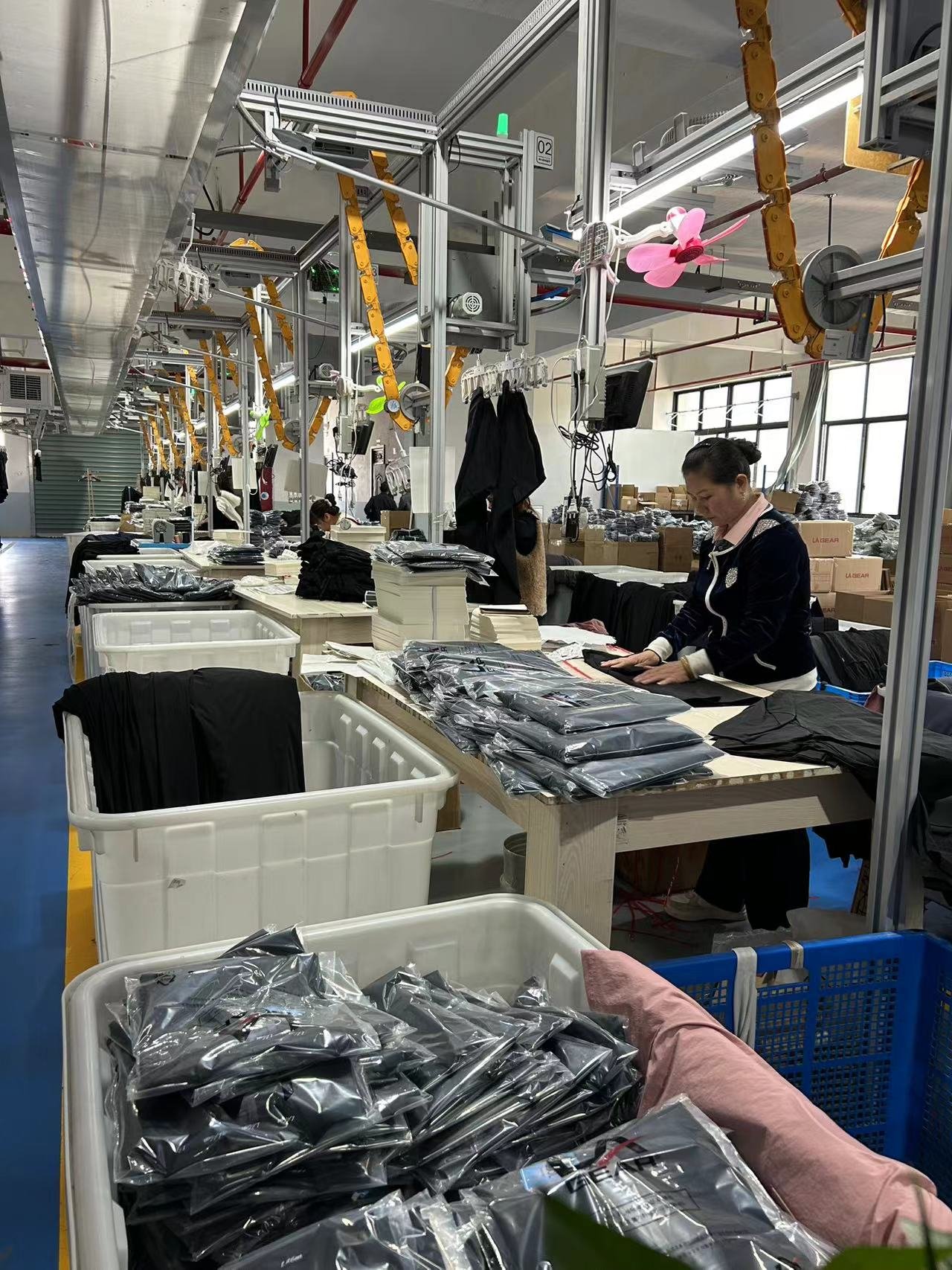
The MOQ exists because custom clothing production involves more than sewing garments. Before production starts, manufacturers may need to source fabric, create patterns, prepare printing screens, digitize embroidery files, order labels and trims, cut fabric and arrange multiple production processes.
Many of these steps have setup costs that remain similar whether you produce 20 pieces or 200 pieces. This is why very small orders can have a much higher cost per garment.
What Is the MOQ for Custom Clothing?
For many custom clothing projects, an MOQ of around 50 pieces per design may be possible when suitable fabrics and production methods are available.
However, the actual MOQ depends on the project. Some designs can be produced in relatively small quantities, while custom fabrics, special dyeing, complicated garment construction or certain trims may require a higher minimum quantity.
For example, producing 50 black T-shirts using an available cotton fabric and one screen-printed logo is generally easier than producing five colors with 10 pieces per color using specially dyed fabric.
Therefore, when asking a manufacturer about MOQ, it is important to provide the complete design requirements rather than asking only, “What is your MOQ?”
Why Do Clothing Manufacturers Have MOQs?
Custom garment manufacturing involves several production stages, and each stage can have its own minimum quantity or setup cost.
1. Fabric Sourcing
Fabric suppliers and mills often have their own minimum purchase quantities. If the required fabric is already available in the market, smaller garment orders may be easier to produce.
If your project requires custom knitting, custom dyeing, a special composition or a unique fabric structure, the fabric MOQ can become the main factor determining the garment MOQ.
You can learn more about this process in our custom fabric sourcing guide.
2. Pattern Making & Sample Development
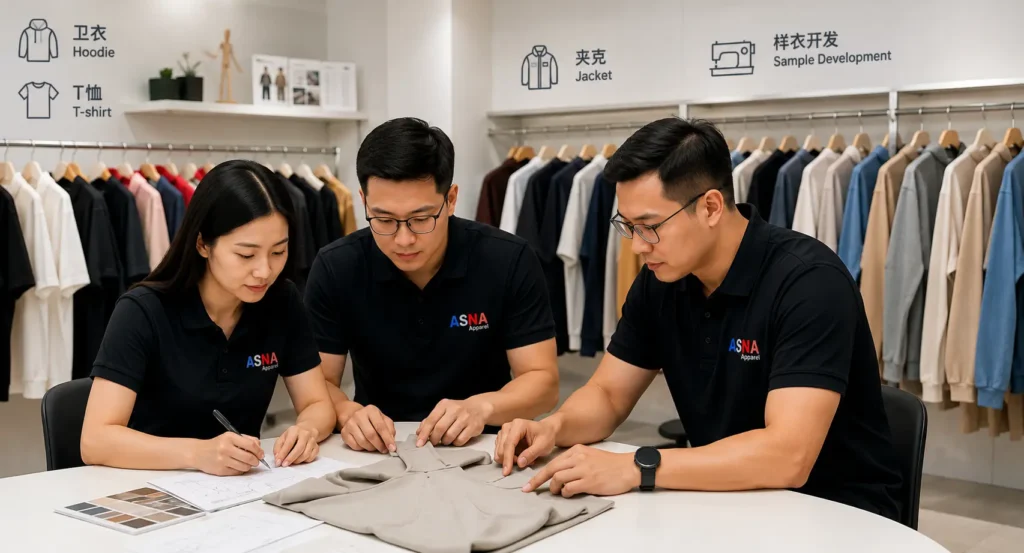
A custom garment normally requires pattern development according to the design and size chart. A sample may then be produced to confirm the fit, construction, fabric and decoration before bulk production.
These development steps require time regardless of whether the final order is 50 pieces or 500 pieces.
3. Printing Setup
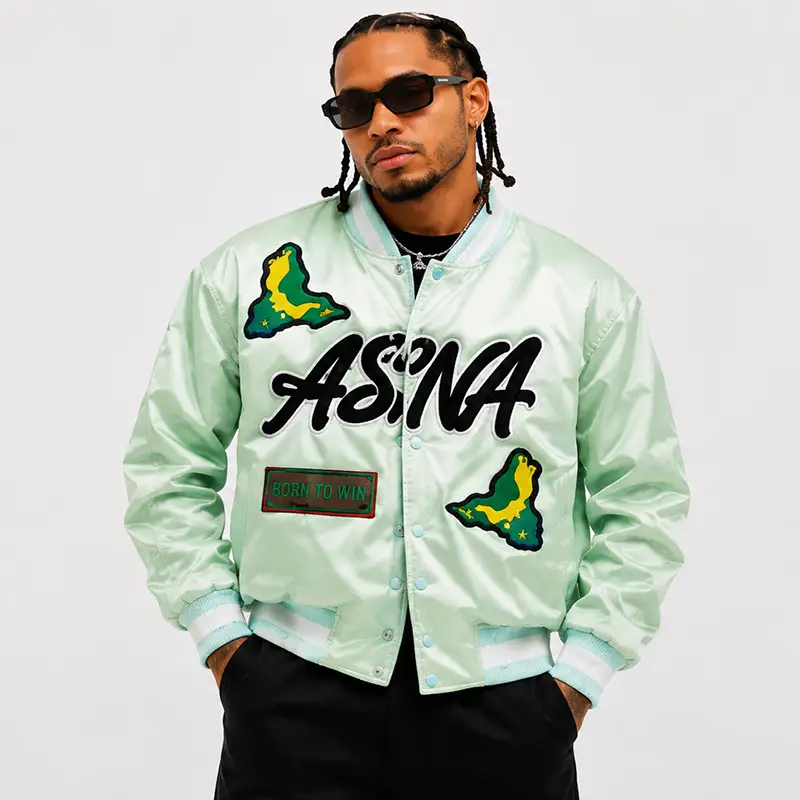
Screen printing requires artwork preparation, color separation and screen making. Each printing color may require a separate screen, so complicated multi-color artwork normally requires more preparation than a simple one-color logo.
For more information, see our custom screen printing production guide.
4. Embroidery Setup
Embroidery artwork must normally be converted into an embroidery file before production. Stitch count, embroidery size, thread colors and design complexity can all affect production cost and efficiency.
See our custom clothing embroidery guide for more details.
5. Custom Labels & Trims
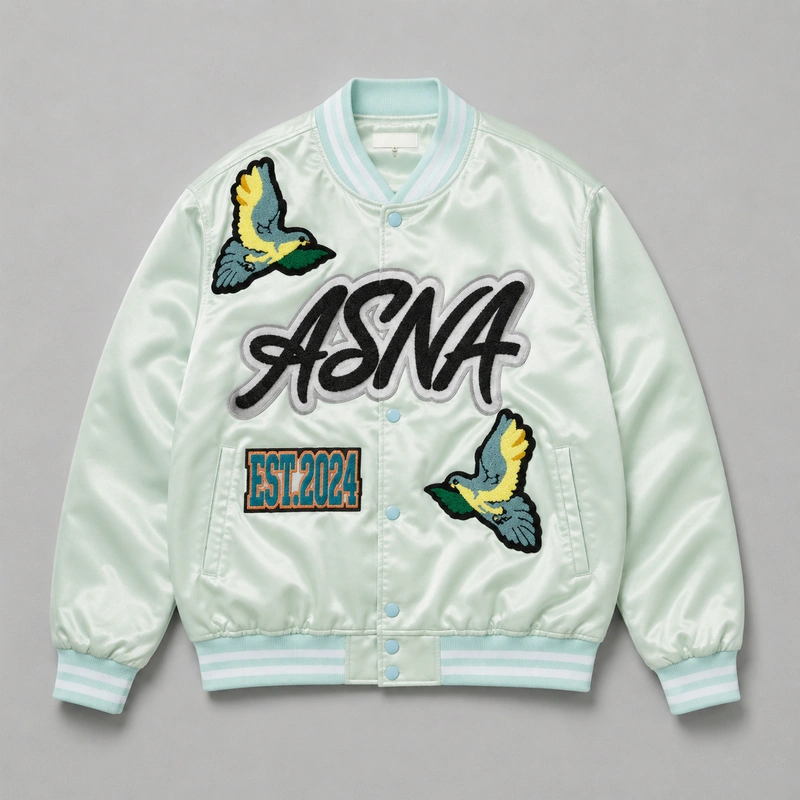
Woven labels, care labels, hangtags, custom zippers, buttons, drawcords and packaging may each have their own supplier MOQ.
For a small first order, using standard trims where appropriate can sometimes make production easier and reduce unnecessary development costs.
What Determines the MOQ for Custom Clothing?
| Factor | How It Can Affect MOQ |
| Fabric | Stock fabrics may support smaller orders, while custom-developed fabrics can require higher quantities. |
| Number of Colors | More garment colors may divide the total quantity into smaller production runs. |
| Printing | Printing method, number of print colors and artwork complexity affect setup and production efficiency. |
| Embroidery | Embroidery size, stitch count and complexity affect production time and cost. |
| Garment Construction | Complex patterns, panels and sewing details can increase development and production requirements. |
| Custom Trims | Special zippers, buttons, labels and accessories may have separate supplier MOQs. |
| Size Range | A very large size range can make a small total order more difficult to distribute efficiently. |
MOQ for Custom T-Shirts
Custom T-shirts are often one of the easiest products for a startup clothing brand to begin with because the garment construction is relatively straightforward and many cotton fabrics are readily available.
For a simple custom T-shirt project using an available fabric, a smaller bulk order may be possible. The actual MOQ still depends on fabric weight, garment color, wash treatment, printing, embroidery and labeling requirements.
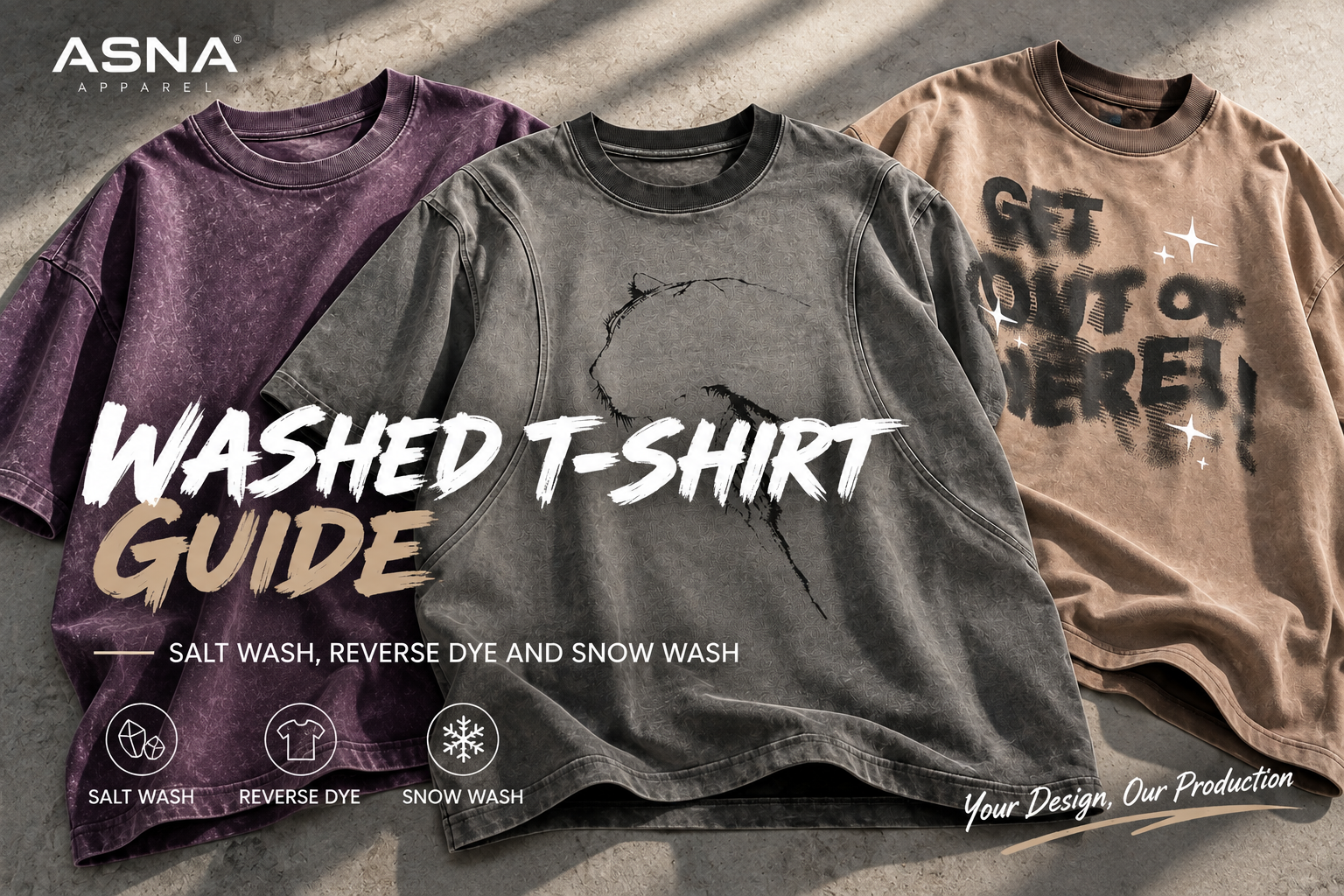
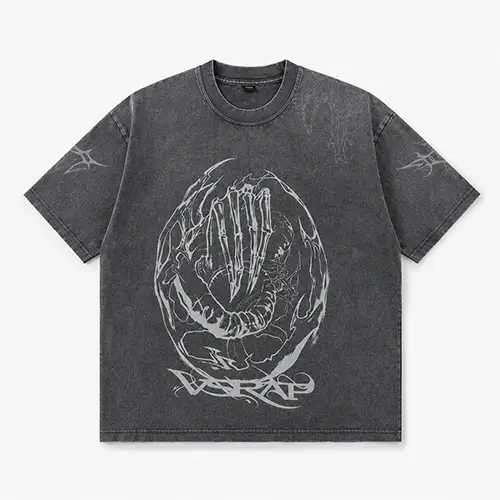
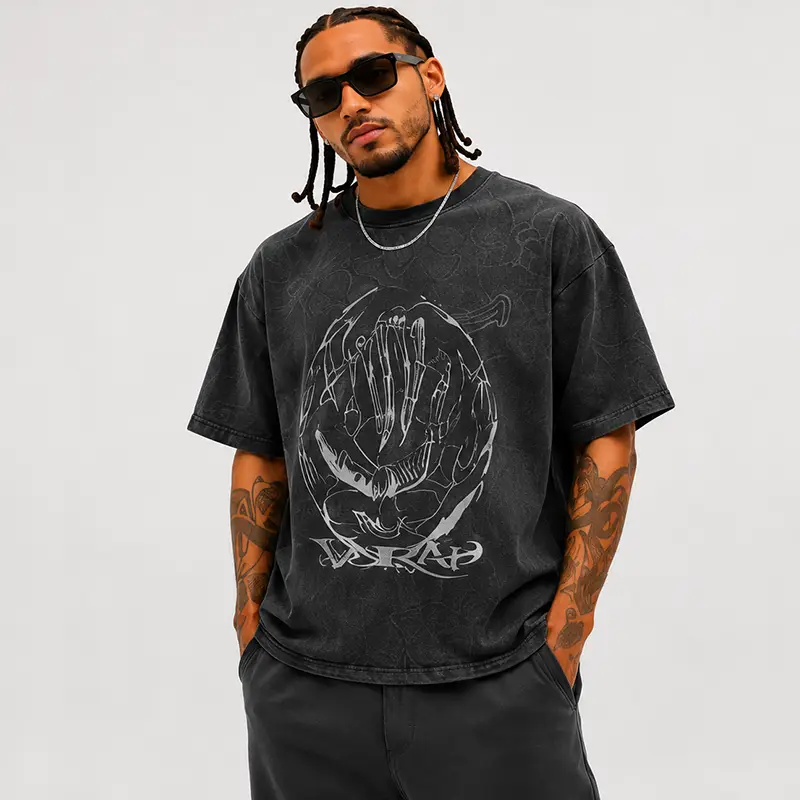
Brands developing oversized, heavyweight or washed T-shirts should also consider fabric availability and washing processes when planning quantities.
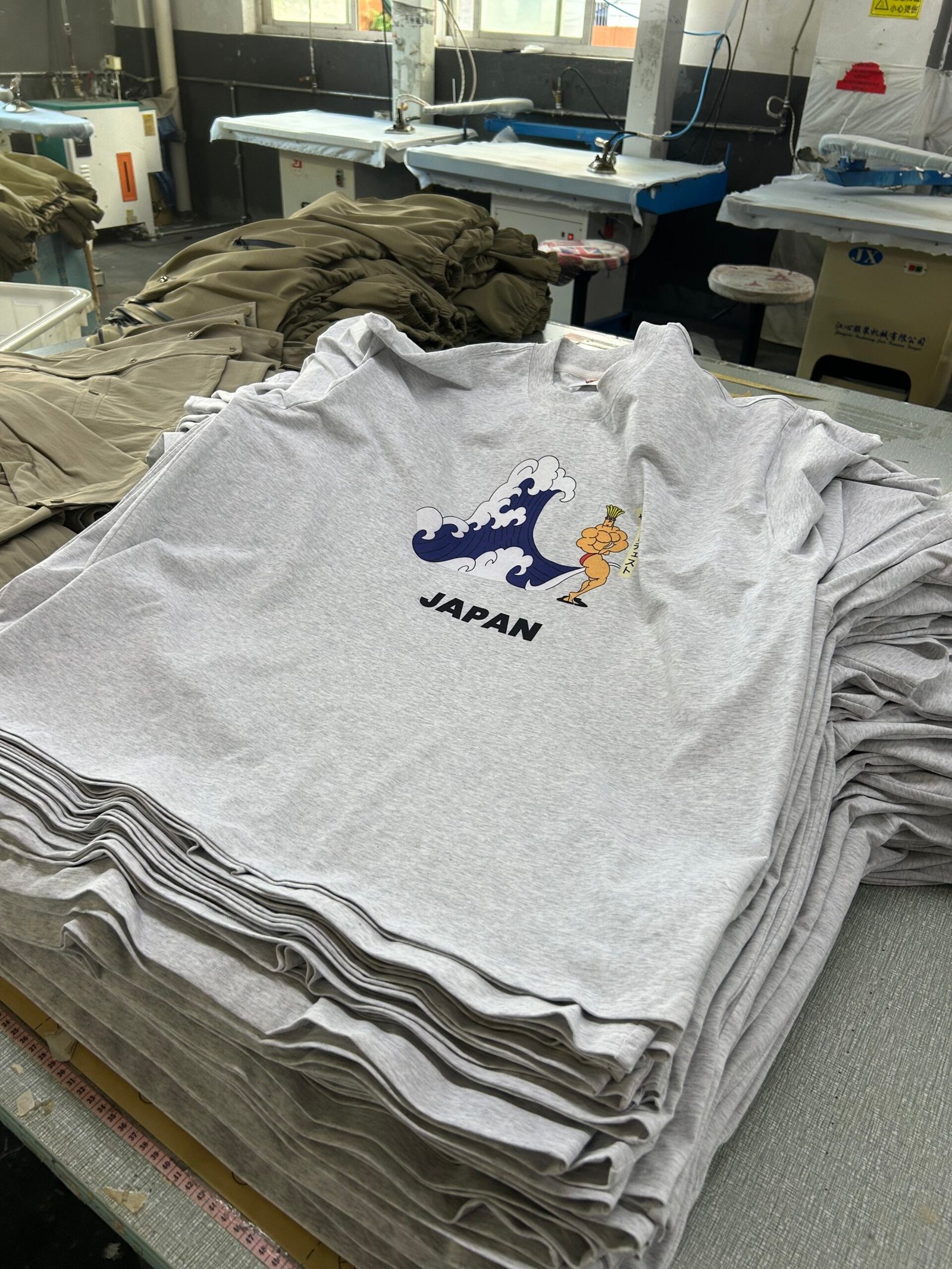
Explore our custom T-shirt manufacturing options for different fabrics, fits and decoration techniques.
MOQ for Custom Hoodies
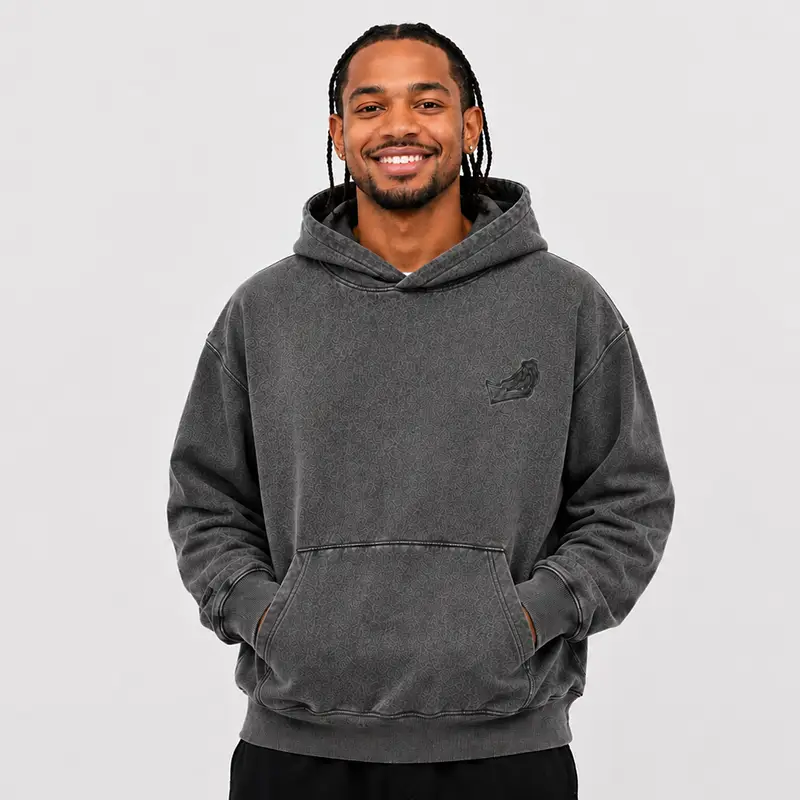
Custom hoodies generally involve more fabric and more sewing operations than basic T-shirts. Heavyweight fabrics, ribbing, zippers, drawcords, washing treatments and complex decoration can also affect production requirements.
For example, a basic pullover hoodie using an available French terry fabric may support a lower MOQ than a 500 GSM custom-colored hoodie requiring special fabric production and multiple decoration techniques.
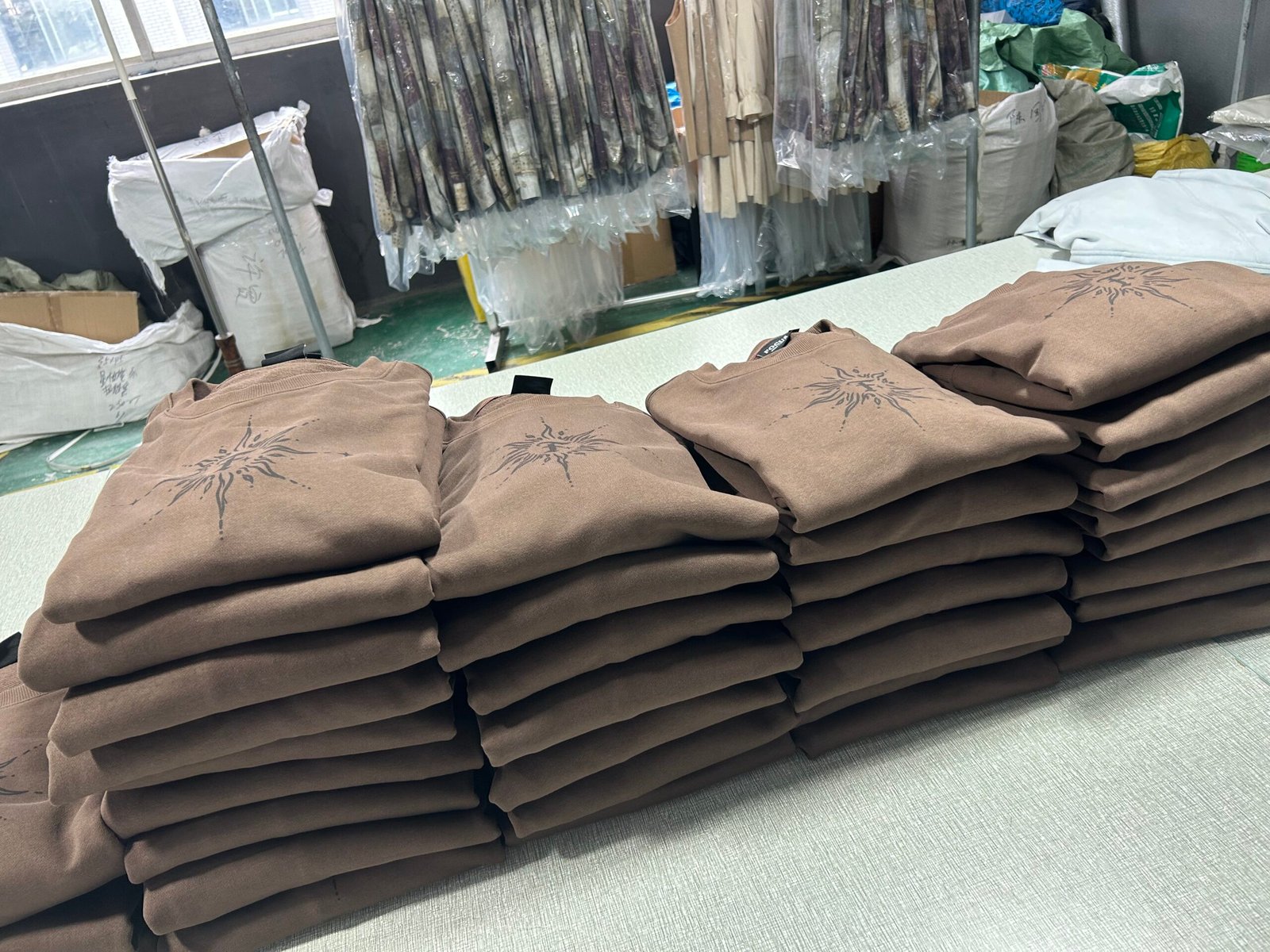
Visit our custom hoodie manufacturing page to see examples of custom hoodie development and production.
Does Adding More Colors Increase the MOQ?
It can.
Suppose a brand wants to order 50 garments. Producing all 50 pieces in one color is generally more efficient than producing five colors with only 10 pieces in each color.
Every additional garment color may require separate fabric sourcing, cutting organization, thread changes, printing preparation and production management.
If you are launching your first collection with a limited budget, starting with fewer garment colors can make your initial production easier to manage.
Stock Fabric vs Custom Fabric MOQ
Stock or Available Fabric
If a suitable fabric, weight and color are already available from fabric suppliers, the manufacturer may be able to purchase a relatively small amount for your order.
Custom-Developed Fabric
If you require a specific yarn composition, custom knitting, special texture or custom-dyed color, the fabric mill may require a much larger production quantity.
In some cases, the fabric supplier’s MOQ — rather than the sewing factory’s MOQ — determines how many garments need to be produced.
Can a Startup Clothing Brand Order Only 50 Pieces?
For some designs, yes. Around 50 pieces per design can be a practical starting point when the fabric and customization requirements support small-batch production.
However, 50 pieces should not be treated as a guaranteed MOQ for every design.
A startup brand can improve the possibility of a smaller first production run by keeping the initial collection focused: fewer colors, suitable available fabrics, a manageable size range and decoration techniques that work efficiently at the required quantity.
Sample Order vs Bulk Production
A sample and a bulk order serve different purposes.
The sample is used to evaluate the garment before mass production. It allows you to check the fit, measurements, fabric, construction, printing, embroidery, labels and overall appearance.
Bulk production begins after the important details have been approved.
For a new clothing brand, investing in an accurate sample is usually more valuable than rushing directly into bulk production. Correcting a problem on one sample is much easier than correcting the same problem after dozens or hundreds of garments have already been produced.
How to Reduce Your MOQ as a New Clothing Brand
- Start with one or two garment colors instead of many colors.
- Use available fabrics when they meet your quality requirements.
- Avoid unnecessary custom trims for the first production run.
- Keep the first size range practical for your target customers.
- Finalize your design before sample development.
- Provide accurate artwork and a complete size chart.
- Confirm the sample before starting bulk production.
The objective should not simply be to find the lowest possible MOQ. A better goal is to find a production quantity that allows you to test the market while maintaining the quality and design details that define your brand.
What Should You Send a Manufacturer Before Asking for MOQ?
- Front and back garment design
- Garment type
- Required fabric or fabric reference
- Fabric weight (GSM), if known
- Garment colors
- Printing or embroidery artwork
- Artwork dimensions and placement
- Size chart
- Size range
- Custom label and packaging requirements
- Estimated order quantity
The more complete your design information is, the more accurately a manufacturer can evaluate production feasibility, MOQ and cost.
Frequently Asked Questions About Custom Clothing MOQ
What is a typical MOQ for custom clothing?
There is no universal MOQ. For some projects using available fabrics and standard production processes, quantities around 50 pieces per design may be possible. Custom fabrics, special dyeing, complicated construction or custom trims can require higher quantities.
Can I order different sizes within the MOQ?
Usually, a bulk quantity can be divided among several sizes, subject to the garment design and production requirements. Providing a complete size breakdown before production helps the manufacturer plan cutting and sewing.
Can I mix different colors within 50 pieces?
Possibly, but it depends on fabric availability and the quantity required for each color. Too many colors within a small total quantity can make production less efficient and may increase the minimum requirement or unit cost.
Why does custom fabric require a higher MOQ?
Custom fabric may require yarn preparation, knitting, dyeing and finishing specifically for your project. Fabric mills therefore usually require a minimum production quantity to operate efficiently.
Should I make a sample before ordering 50 or 100 pieces?
For a new custom design, sample development is strongly recommended. It allows the garment measurements, fit, fabric, construction and decoration to be checked before bulk production.

Start Your Custom Clothing Project
If you are developing a new clothing brand, send us your design, size chart, fabric requirements, artwork and estimated quantity. We can review the project and determine a suitable production approach based on your actual requirements.
Contact ASNA Apparel to discuss your custom clothing project and MOQ.