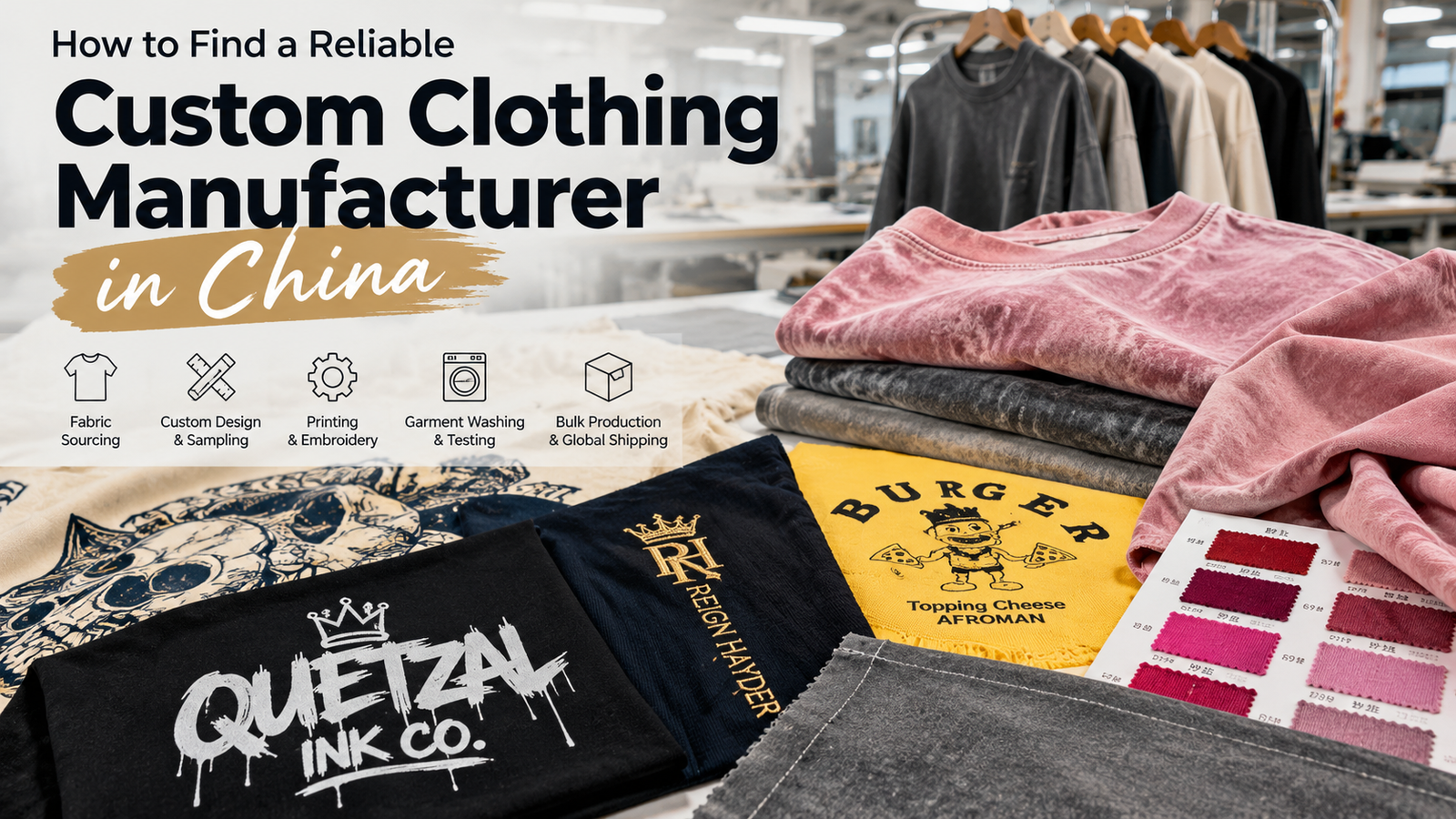
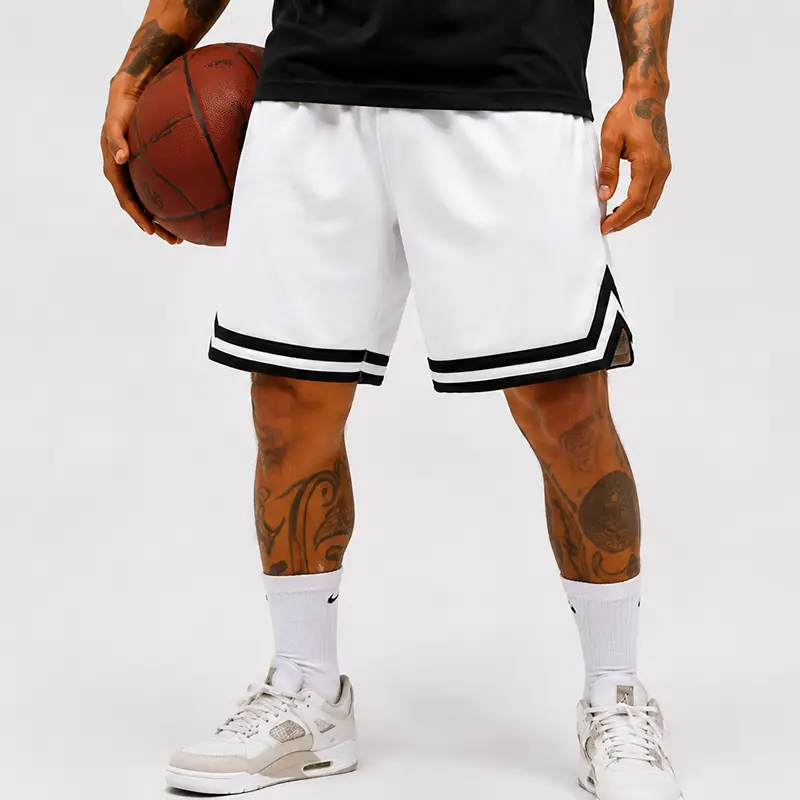
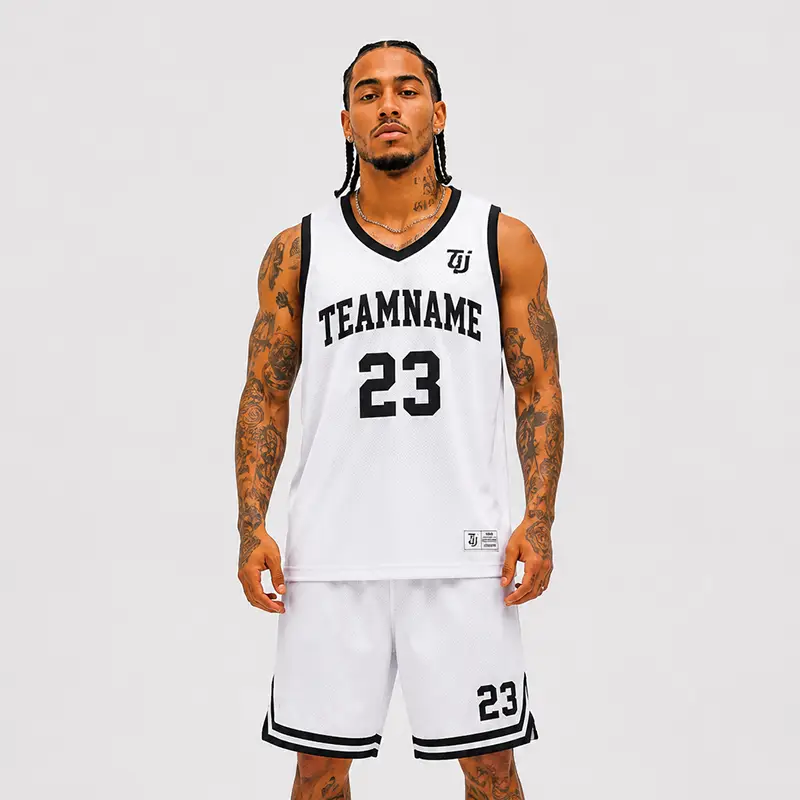
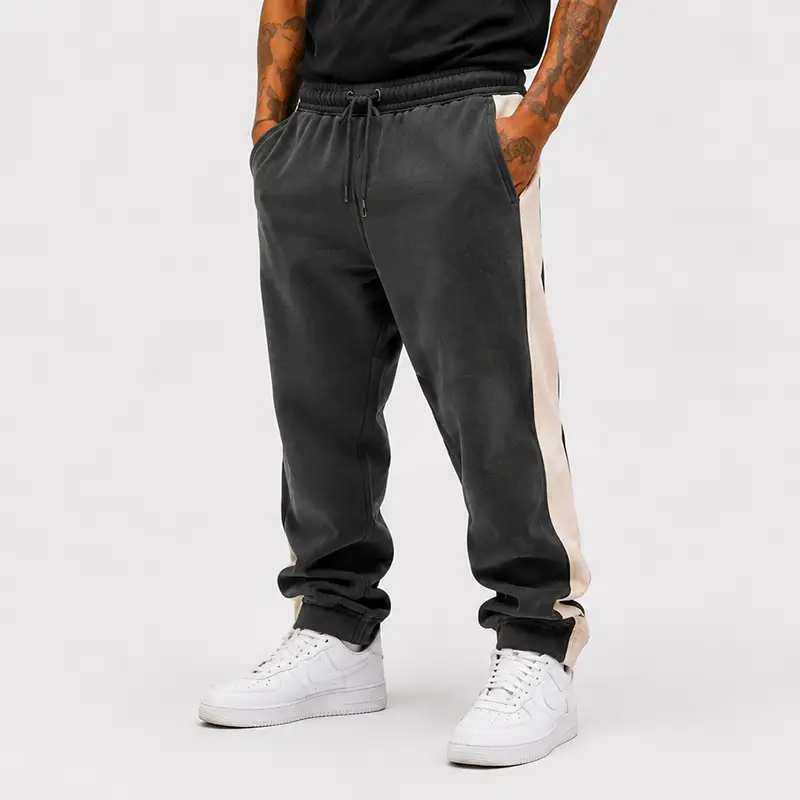
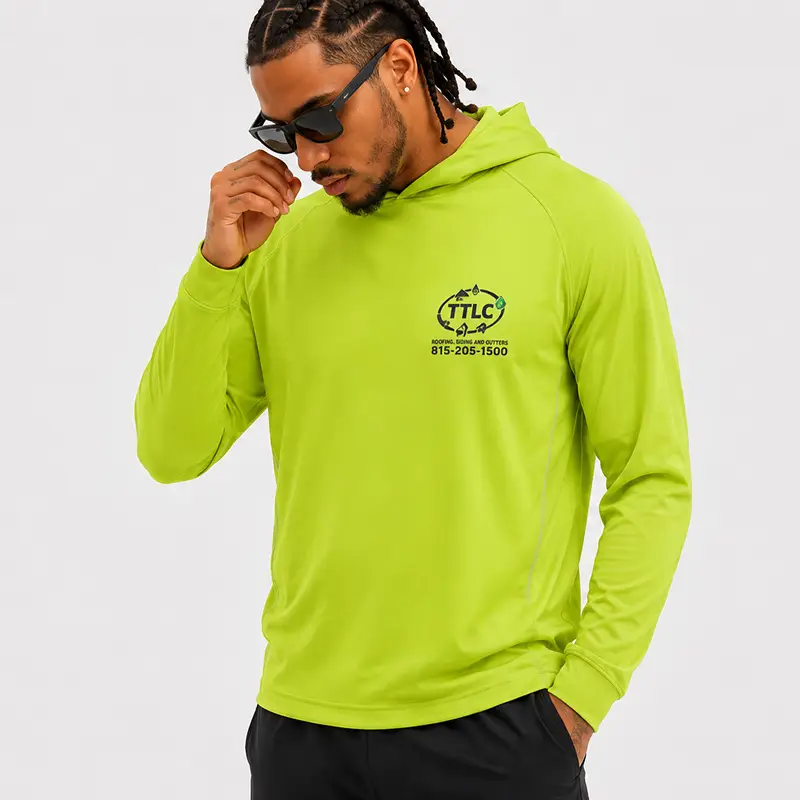
Finding a reliable custom clothing manufacturer in China is one of the most important decisions for a clothing brand. Whether you are launching a new streetwear label in Australia, developing a fashion collection in the UK, or sourcing custom garments for an established business, the manufacturer you choose will influence your product quality, costs and delivery.
China has an established apparel supply chain covering fabric sourcing, pattern making, garment sewing, screen printing, embroidery, washing treatments and private label production. However, not every supplier offers the same level of customization, technical experience or quality control.
So how do you identify a manufacturer that can actually produce your designs and manage the details correctly?
In this guide, we explain what to check before choosing a custom clothing manufacturer in China, using real production and testing examples from ASNA Apparel.
1. Check Whether the Manufacturer Offers Genuine Custom Clothing Production
The first step is to understand what the supplier actually manufactures.
Some clothing suppliers primarily sell ready-made garments and offer simple logo printing. Others provide full custom manufacturing based on a customer’s design, size chart, fabric requirements and branding specifications.
If you are building an independent fashion brand, you may need more than a blank T-shirt with your logo.
A full-service custom clothing manufacturer should be able to support:
- Original garment designs and tech packs
- Custom pattern making and size grading
- Fabric sourcing by composition, weight and color
- Garment cutting and sewing
- Screen printing, DTG and embroidery
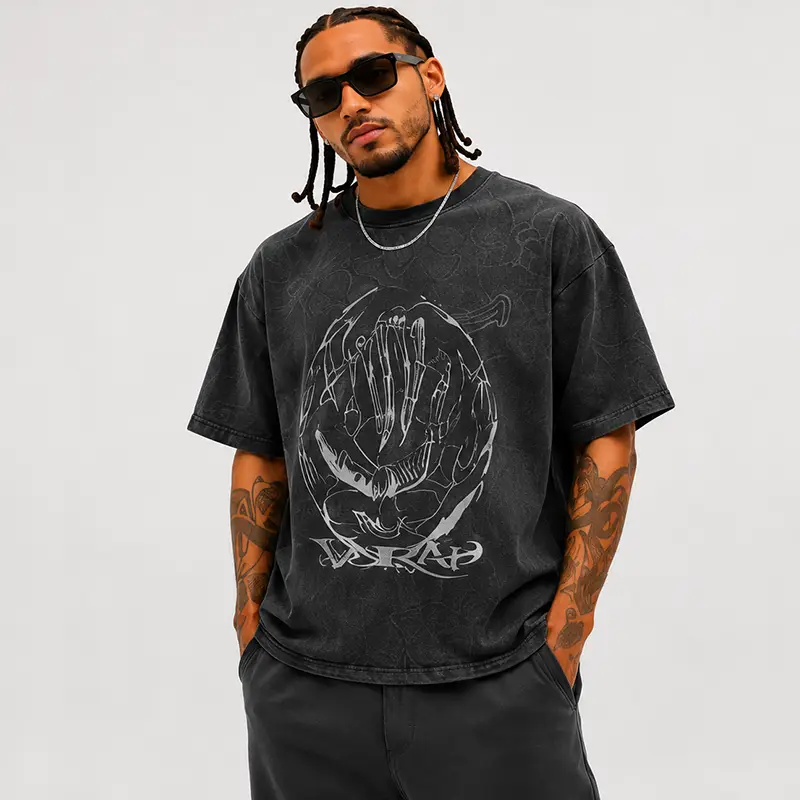
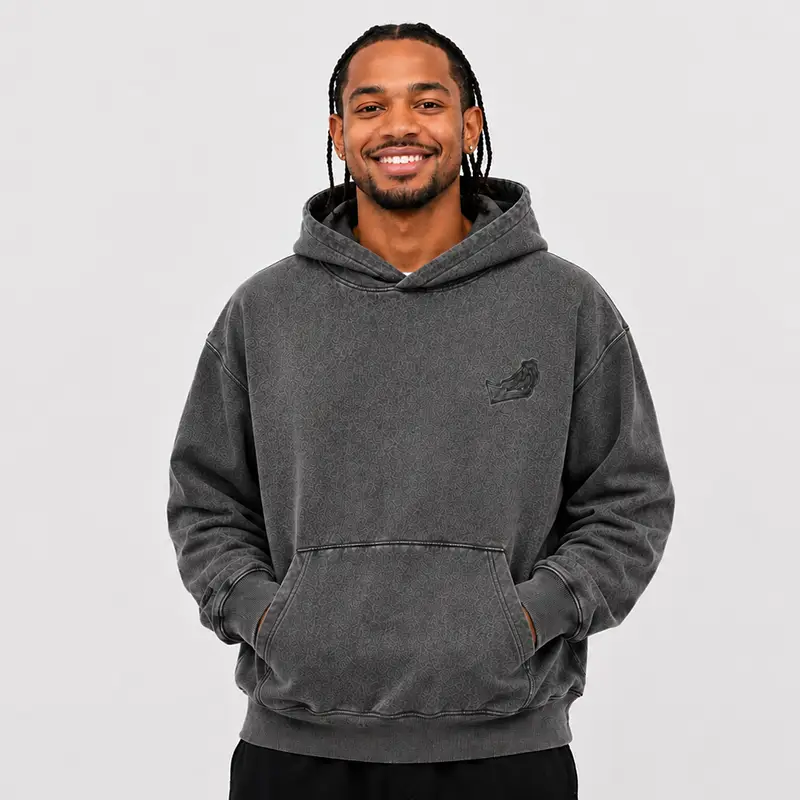
- Garment washing and vintage finishing
- Custom woven labels, care labels and hangtags
- Sample development and bulk manufacturing
Before placing an order, ask the manufacturer to explain which production stages it can coordinate and which details need to be confirmed before sampling.
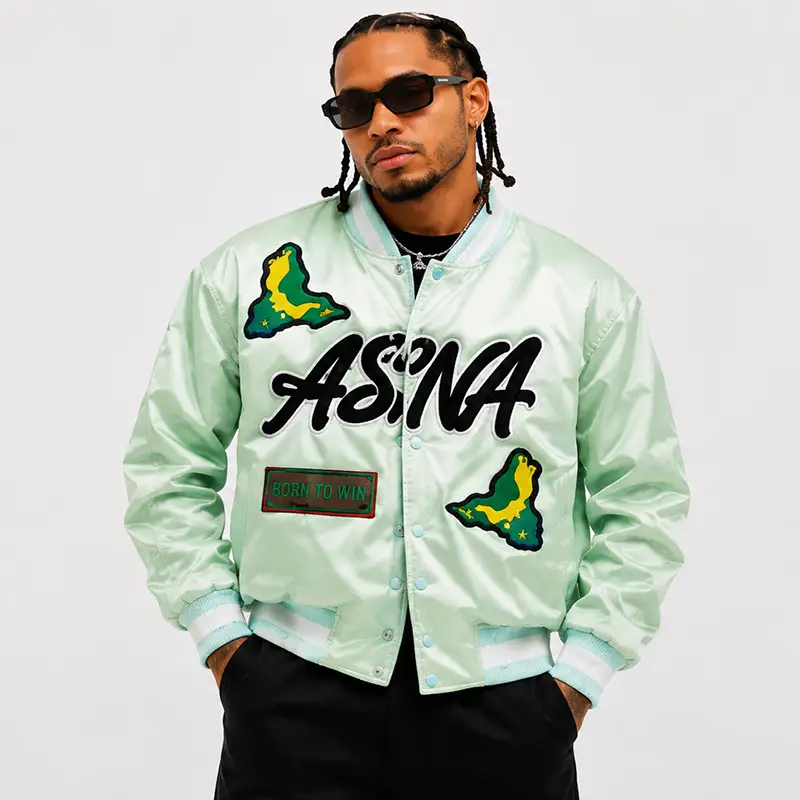
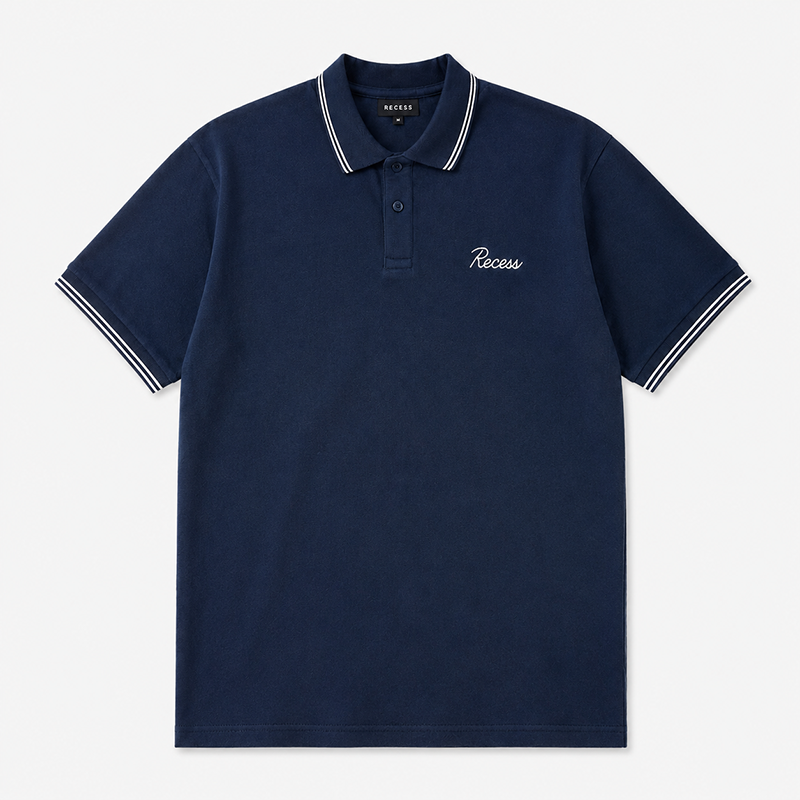
At ASNA Apparel, we develop custom T-shirts, hoodies, sweatshirts, tracksuits, jackets, pants and other garments according to customers’ designs rather than requiring brands to choose only from a fixed catalogue.
2. Look for Experience with Overseas Clothing Brands and Size Charts
Garment sizing is one of the most common sources of misunderstanding in international clothing manufacturing.
A size M or size L does not have the same measurements across every country or clothing brand. Oversized streetwear, relaxed-fit garments and fitted fashion pieces also require different pattern proportions.
A reliable clothing manufacturer should review the actual measurement chart instead of assuming that a standard size label is sufficient.
Important measurements may include:
- Chest width
- Body length and measurement reference points
- Shoulder width
- Sleeve length
- Hem width
- Neckline construction
- Other measurements specific to the garment design
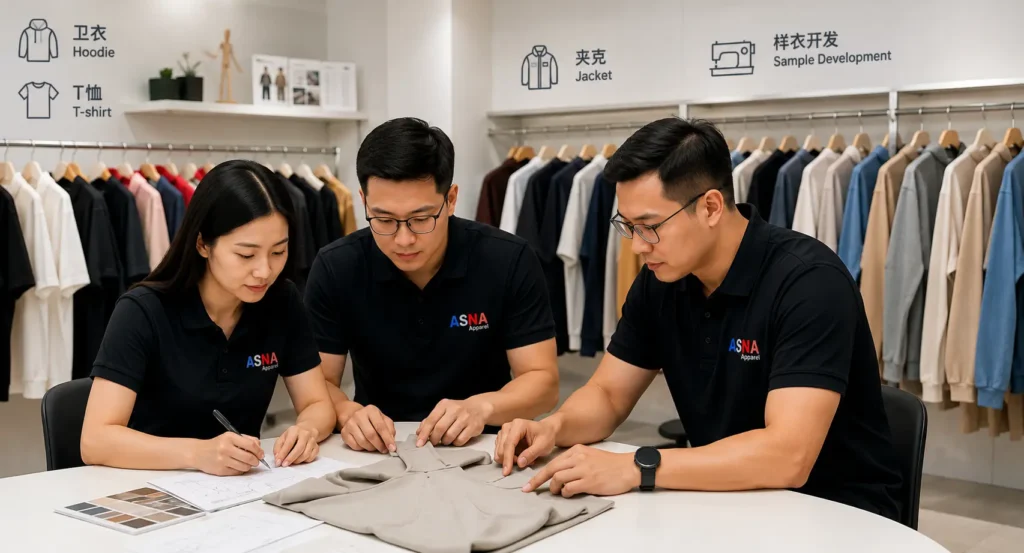
At ASNA Apparel, our pattern makers review customer specifications before sample development. If a measurement appears inconsistent with the intended fit or design drawing, we discuss the issue before proceeding.
For example, a large back graphic may not fit the available printing area on smaller garment sizes. Rather than discovering this problem after production, the manufacturer should review the artwork and garment measurements together.
What to look for: A manufacturer that asks precise technical questions and explains potential problems is often more useful than one that agrees to every request without checking the details.
3. Evaluate Fabric Sourcing and Material Knowledge
Fabric selection directly affects garment appearance, comfort, structure, durability and manufacturing cost.
Two T-shirts with identical patterns may look completely different when made from 180 GSM and 300 GSM cotton fabrics. Similarly, a heavyweight French terry hoodie will feel different from a brushed fleece hoodie.
Before ordering samples, ask whether the manufacturer can confirm:
- Fabric composition
- Fabric weight in GSM
- Knitted or woven fabric structure
- Available colors and color references
- Surface texture and hand feel
- Suitability for printing, embroidery or washing
- Possible shrinkage and dimensional changes
At ASNA Apparel, we discuss the available fabric options with customers before sourcing materials. Where applicable, we share fabric photos, videos and color references so the customer can review the proposed material.
This is especially important when developing garments with special finishing requirements, because some fabrics respond differently to washing, printing and embroidery.
For a more detailed explanation, read our Custom Fabric Sourcing Guide for Clothing Brands.
4. Ask to See Real Production Tests, Not Only Finished Product Photos
Finished garment photos are useful, but they do not always show how a manufacturer controls quality during production.
One practical way to evaluate a supplier is to ask whether it performs tests before applying a decoration process to the final garments.
For custom clothing, these tests may involve screen printing, embroidery, DTG printing, color matching or garment washing.
At ASNA Apparel, we conduct relevant tests on the selected fabric to evaluate the intended result before proceeding with the corresponding production stage.
Screen Printing: Checking Colors and Artwork Details
Screen printing is widely used for streetwear T-shirts, hoodies and sweatshirts. It is particularly suitable for bold graphics, logos, typography and designs requiring strong color coverage.
However, the same ink color may appear different on different fabric colors. Dark fabrics, light fabrics and washed materials can all influence the final visual effect.
For color-sensitive designs, we can compare ink shades against the customer’s Pantone references and review the printed result on the selected fabric.

In addition to color matching, we check whether the artwork reproduces correctly on the fabric.
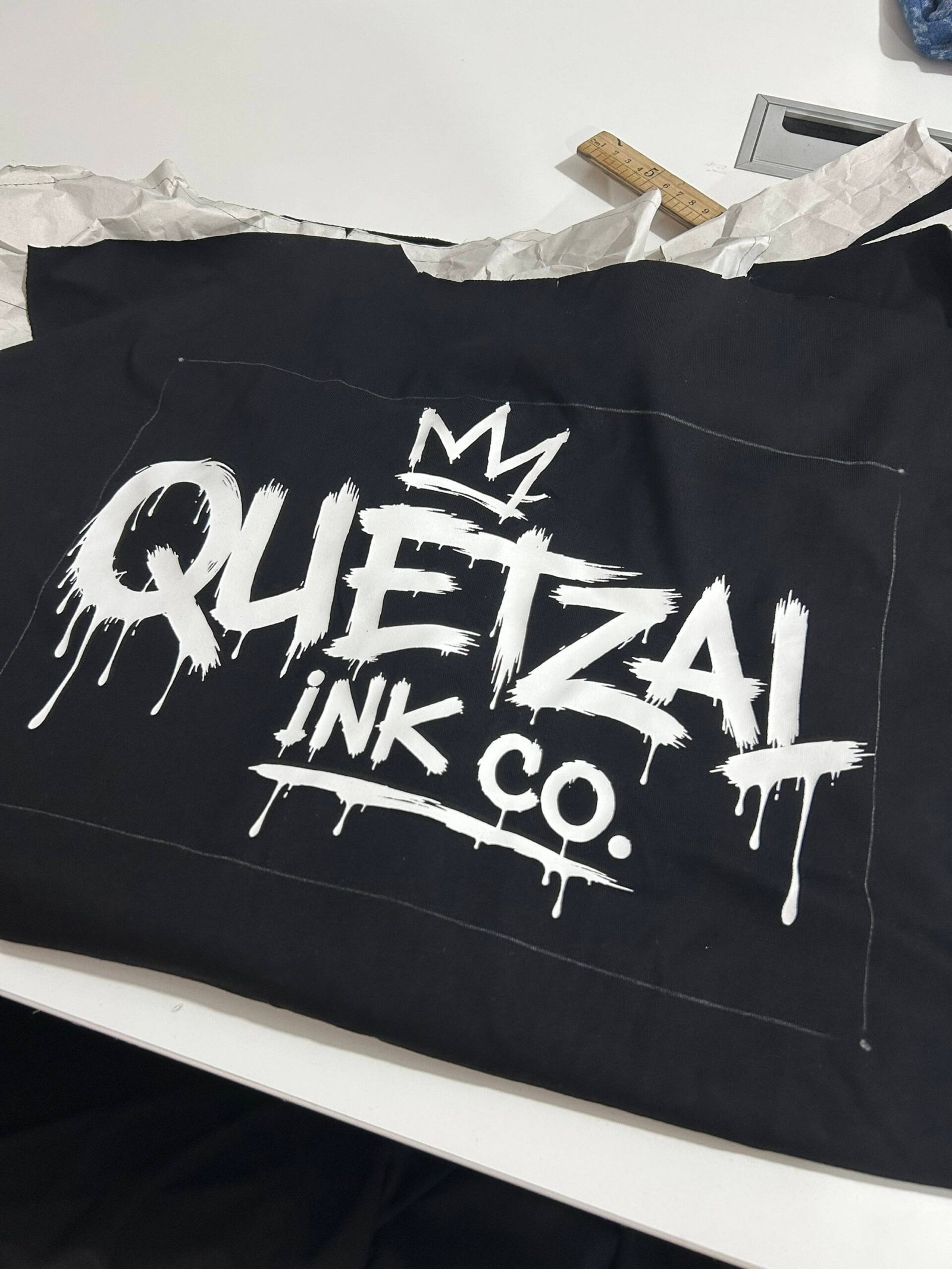
These tests help us evaluate print coverage, graphic details and the overall appearance before moving forward.
Explore the manufacturing process: Read our Custom Screen Printing Manufacturing Guide to see how artwork preparation, color separation, screen making and bulk printing work.
Embroidery: Checking Thread Colors and Stitching Quality
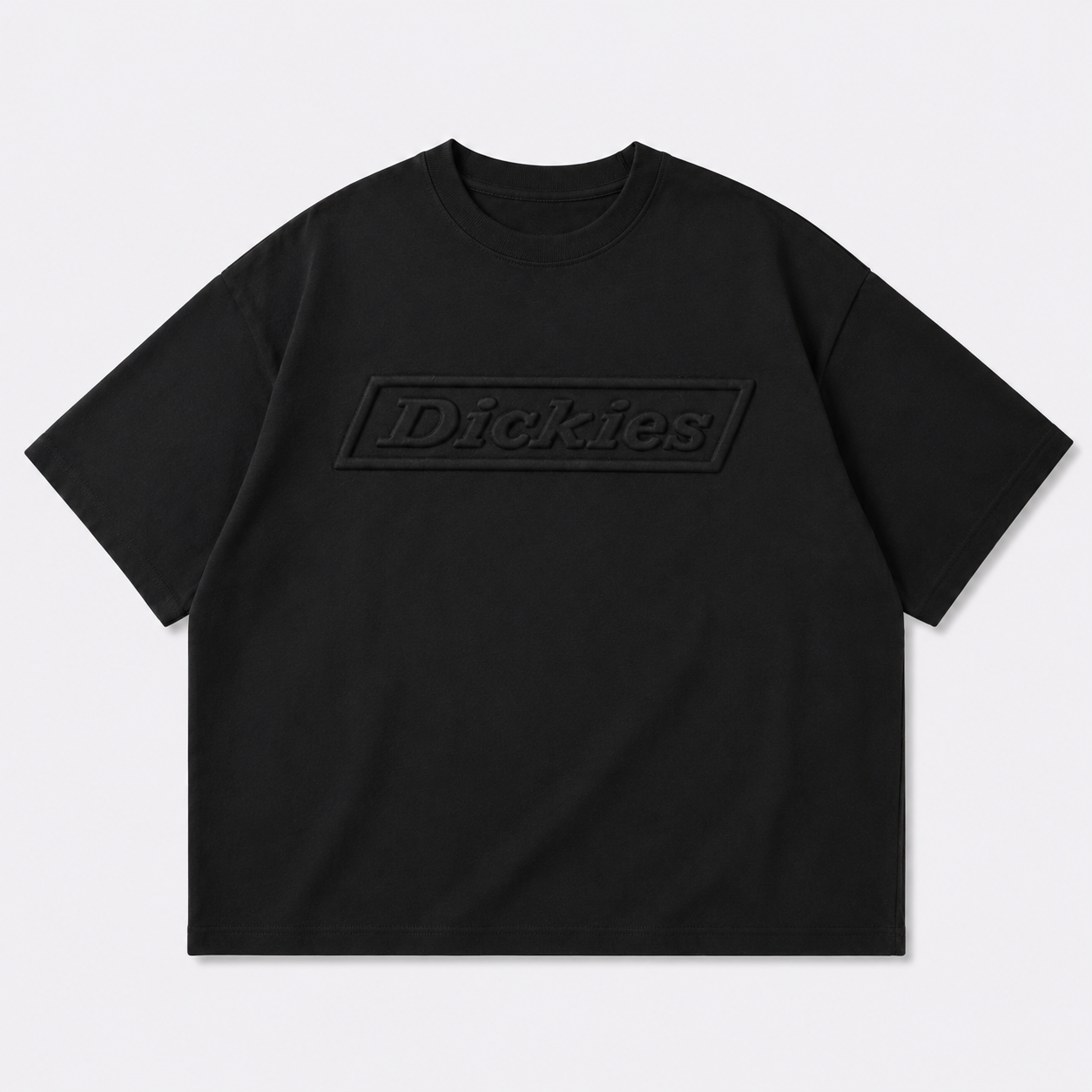
Embroidery creates a textured appearance that is popular for premium streetwear, embroidered logos and fashion branding.
However, embroidery quality depends on several factors, including the artwork, stitch density, thread colors, embroidery size and fabric structure.
Before production, testing helps confirm whether the design can be reproduced clearly and whether the selected thread colors match the intended appearance.
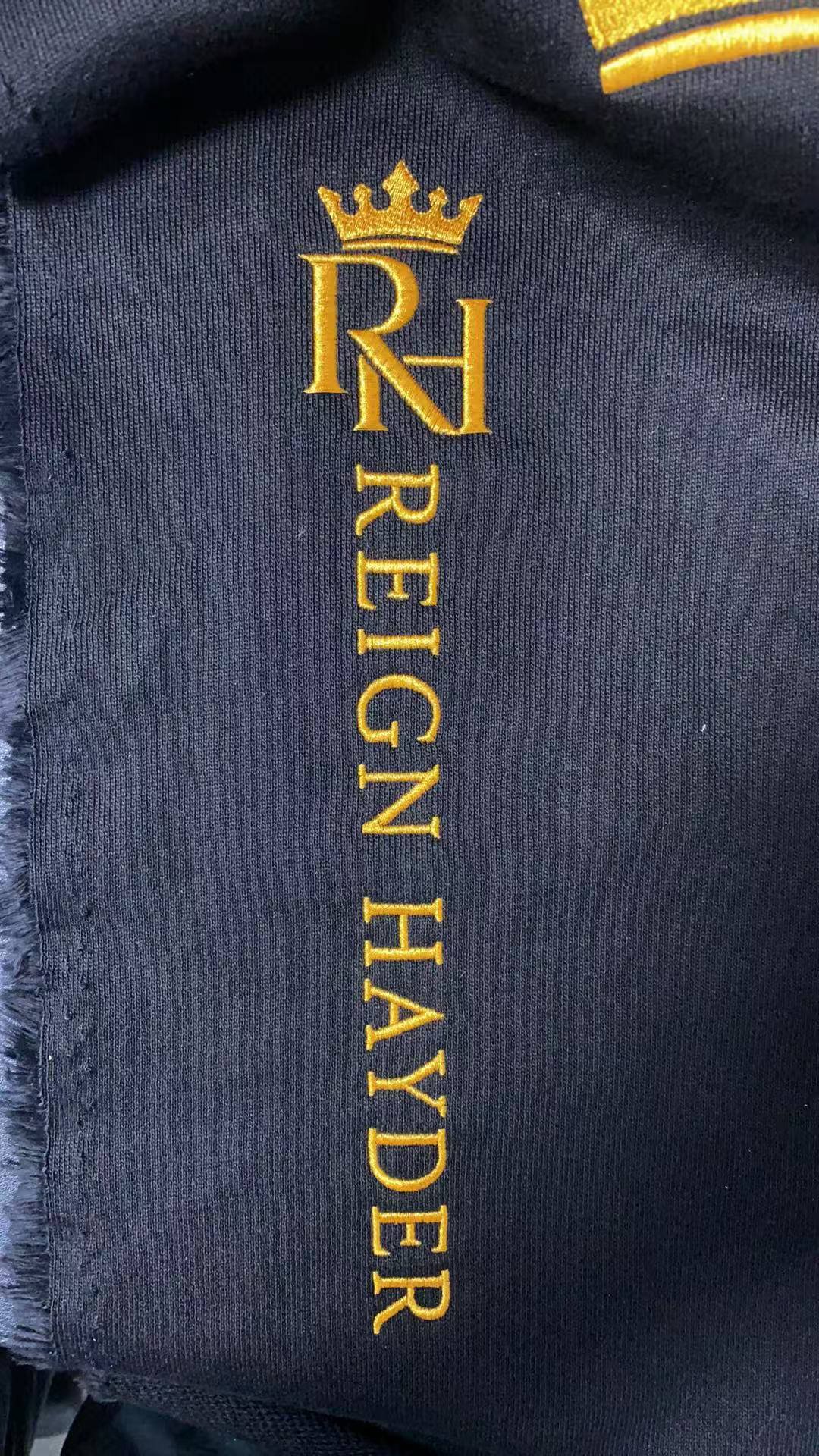
For brands considering embroidered garments, the test should be evaluated alongside the garment’s fabric and construction.
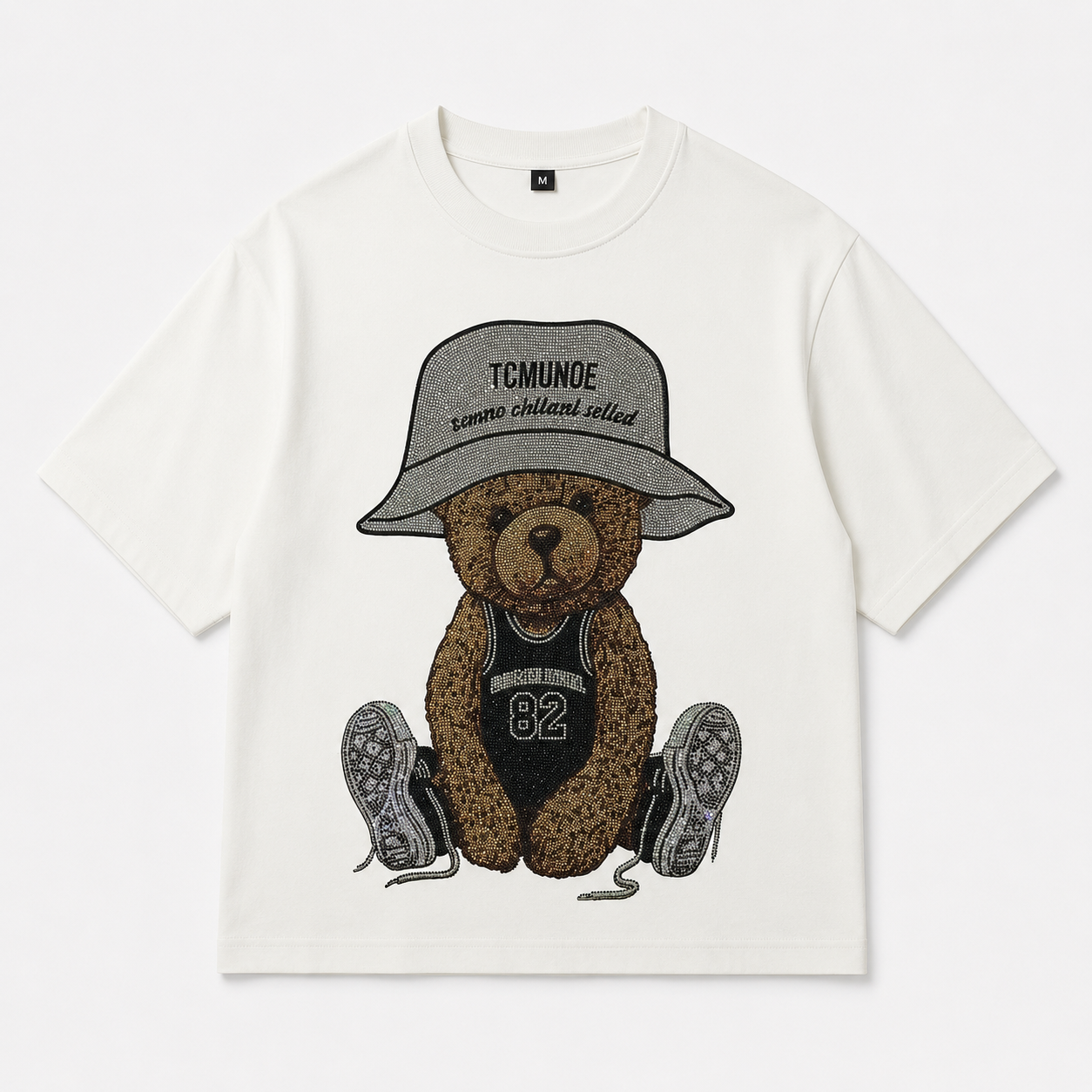
See an actual clothing example: Explore our Custom Embroidery Oversized T-Shirt to see how embroidery can be incorporated into streetwear manufacturing.
DTG Printing: Checking Fine Details and Graphic Appearance
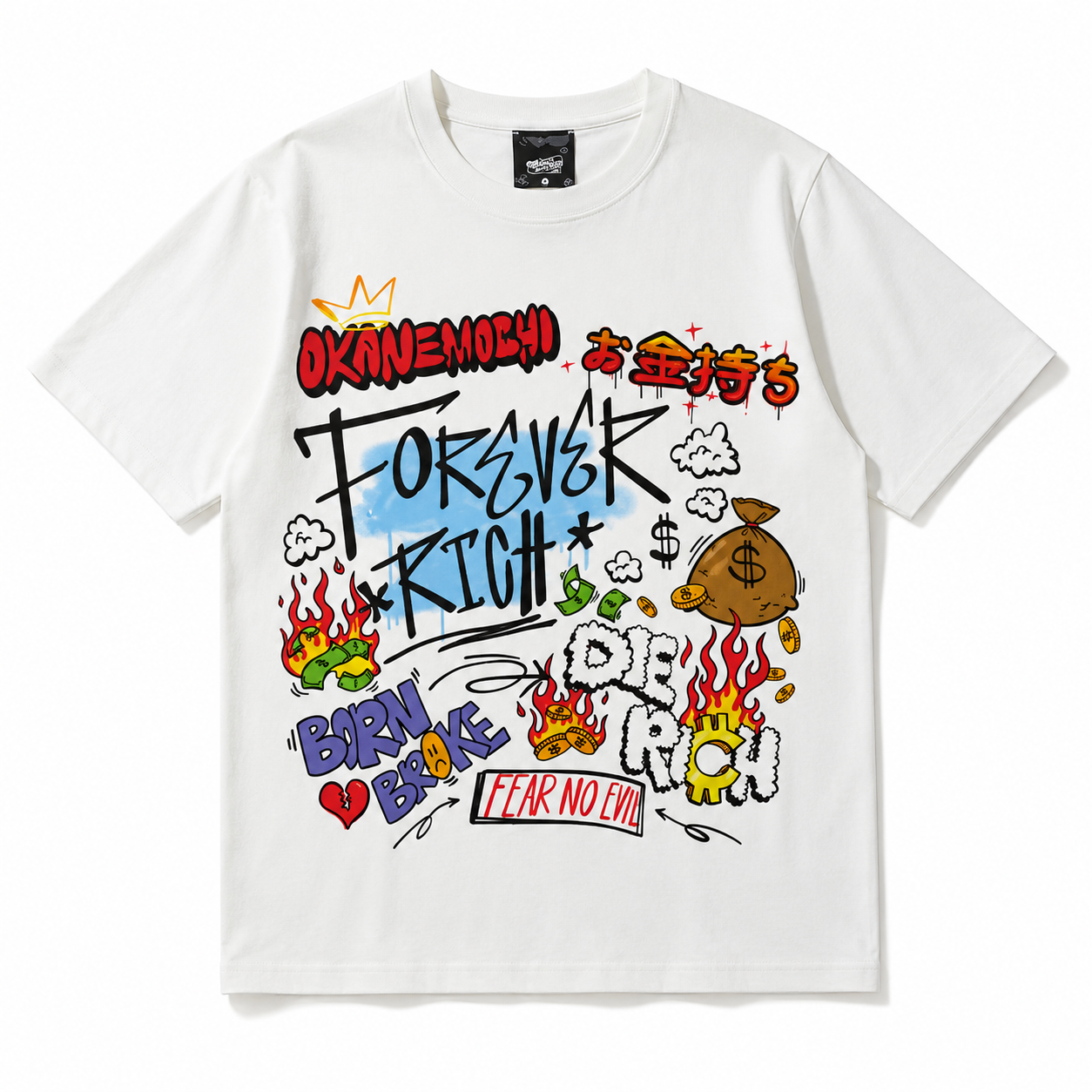
DTG, or Direct-to-Garment printing, is another option for custom clothing designs. It can be particularly useful for detailed illustrations, complex graphics, gradients and artwork containing many colors.
Before production, a DTG test helps evaluate the graphic’s appearance on the selected fabric.

Neither screen printing nor DTG is automatically the best choice for every garment. The decision should depend on the artwork, fabric, quantity and desired finish.
Read our Screen Printing vs DTG Guide to compare these methods before developing your next custom T-shirt.
5. Check Whether the Manufacturer Understands Garment Washing and Shrinkage
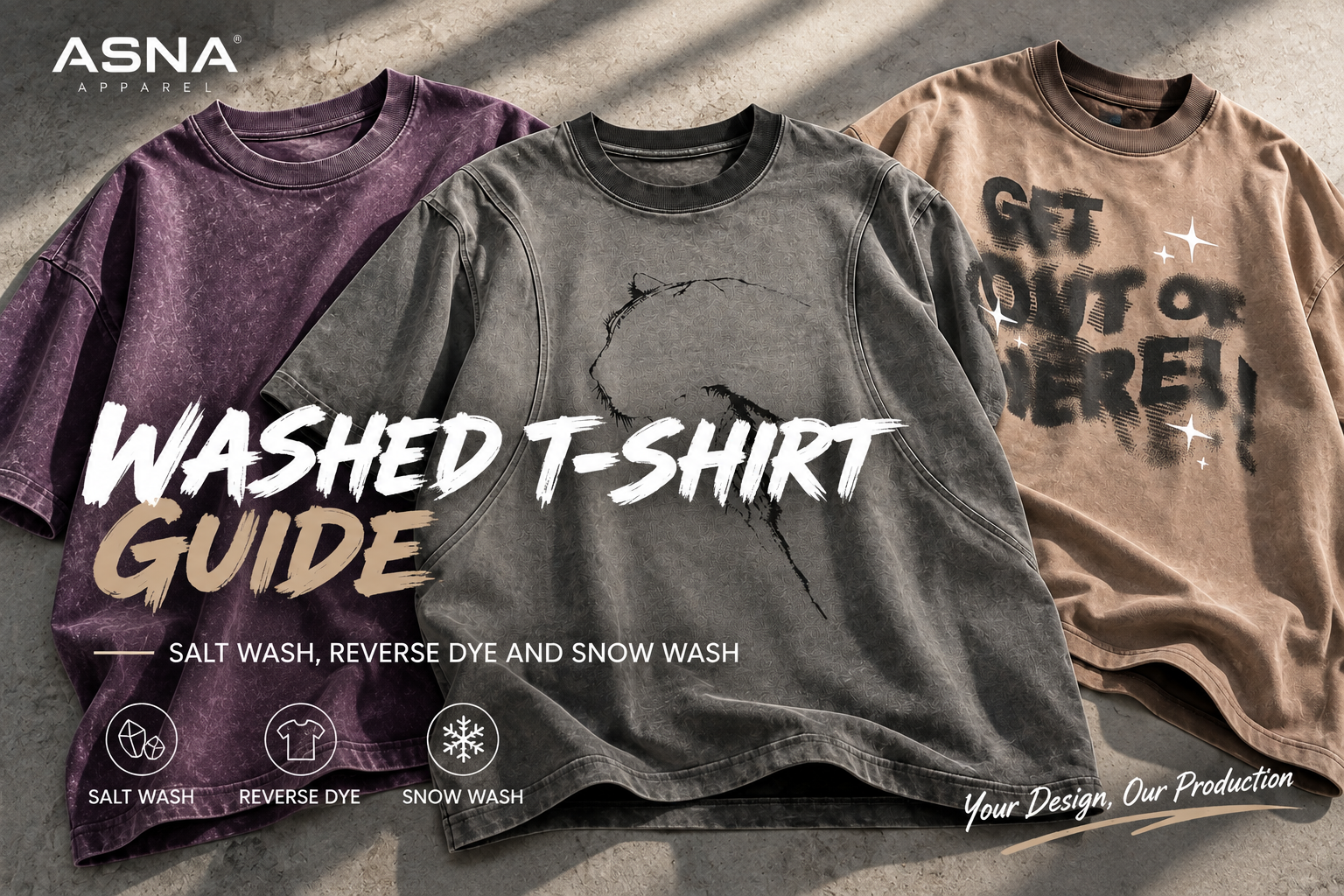
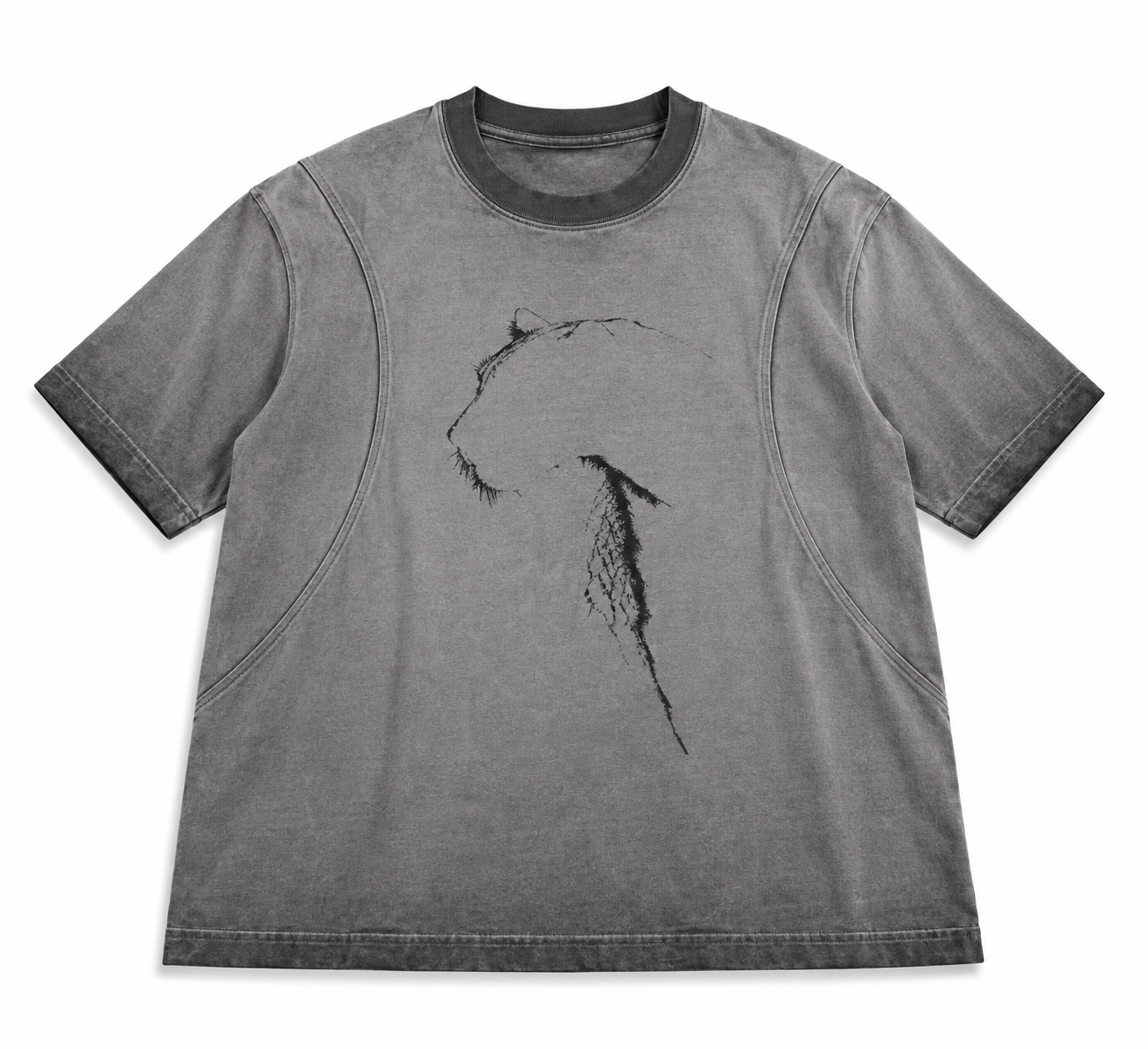
Vintage-style clothing is popular among many independent streetwear brands. Processes such as acid washing and salt washing can create distinctive faded colors and surface effects.
However, special washing processes require more preparation than ordinary garment sewing.
Washing can change the fabric’s dimensions, color and texture. A manufacturer should consider these changes before finalizing the garment pattern and production specifications.
Comparing Fabric with Washing Color References
Before developing a washed garment, it is helpful to compare the actual fabric with available washing color references.
This gives the brand a clearer understanding of the intended vintage appearance.
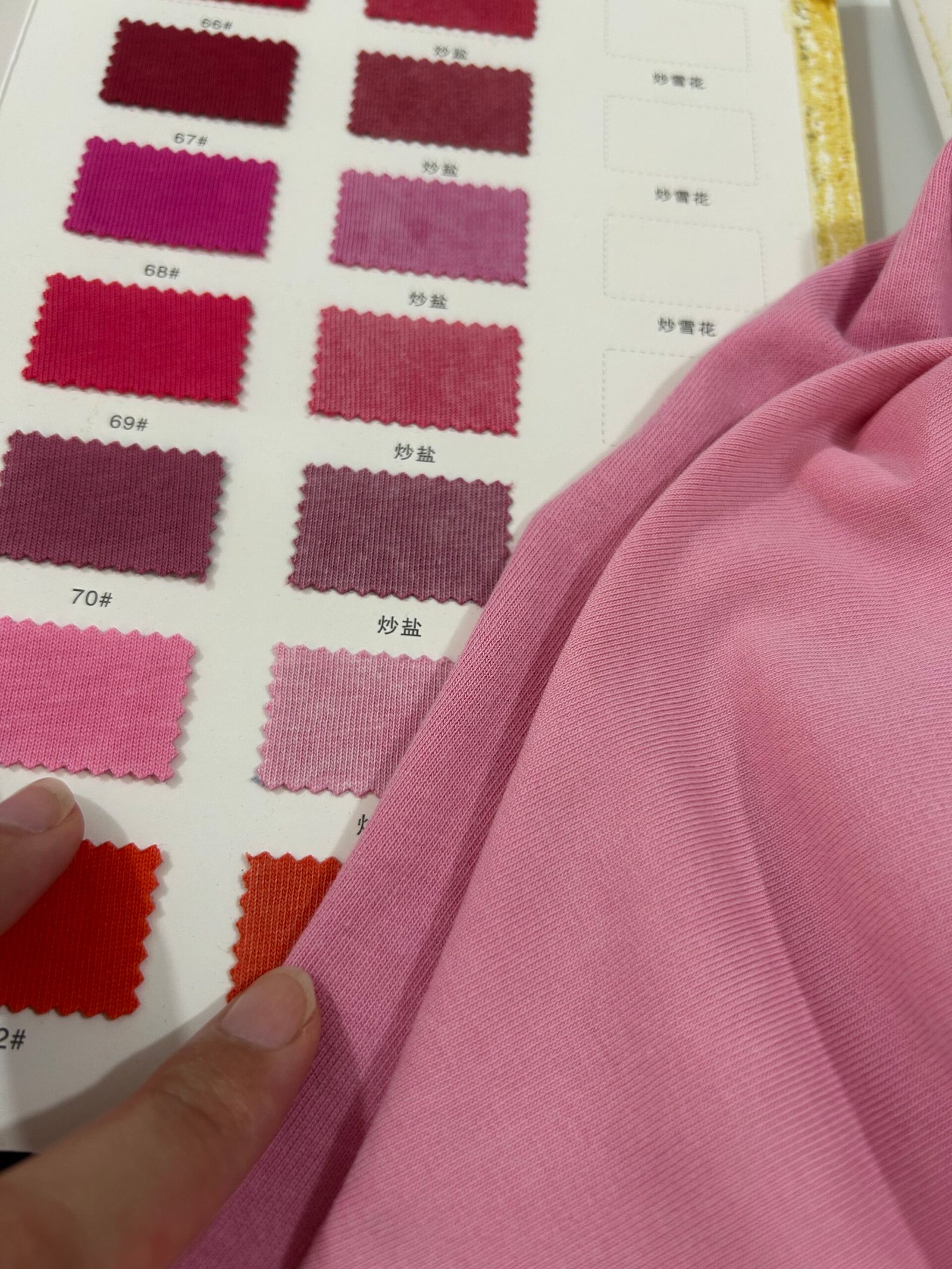
Shrinkage Testing Before Final Pattern Development
One of the most important risks of salt washing is fabric shrinkage.
If a manufacturer ignores shrinkage, the finished garment may become smaller than the approved measurements after washing.
At ASNA Apparel, we test shrinkage for applicable washing projects and account for the measured dimensional changes when developing the garment pattern.
Our aim is to keep the finished garment measurements as close as reasonably possible to the customer’s approved size chart.
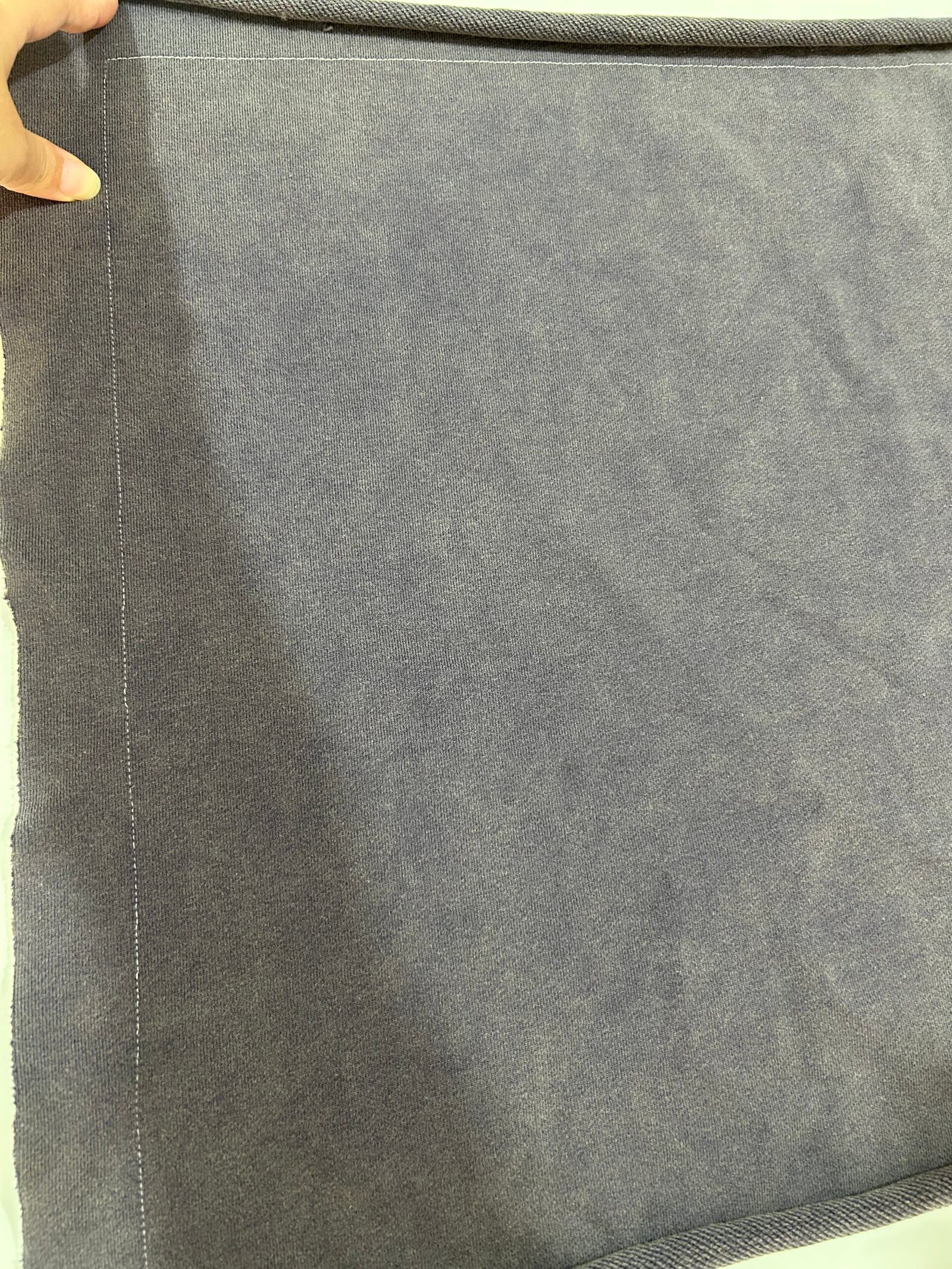
Reviewing the Finished Washing Effect
After washing, the fabric’s final appearance should be checked for color, fading, texture and overall consistency with the approved direction.
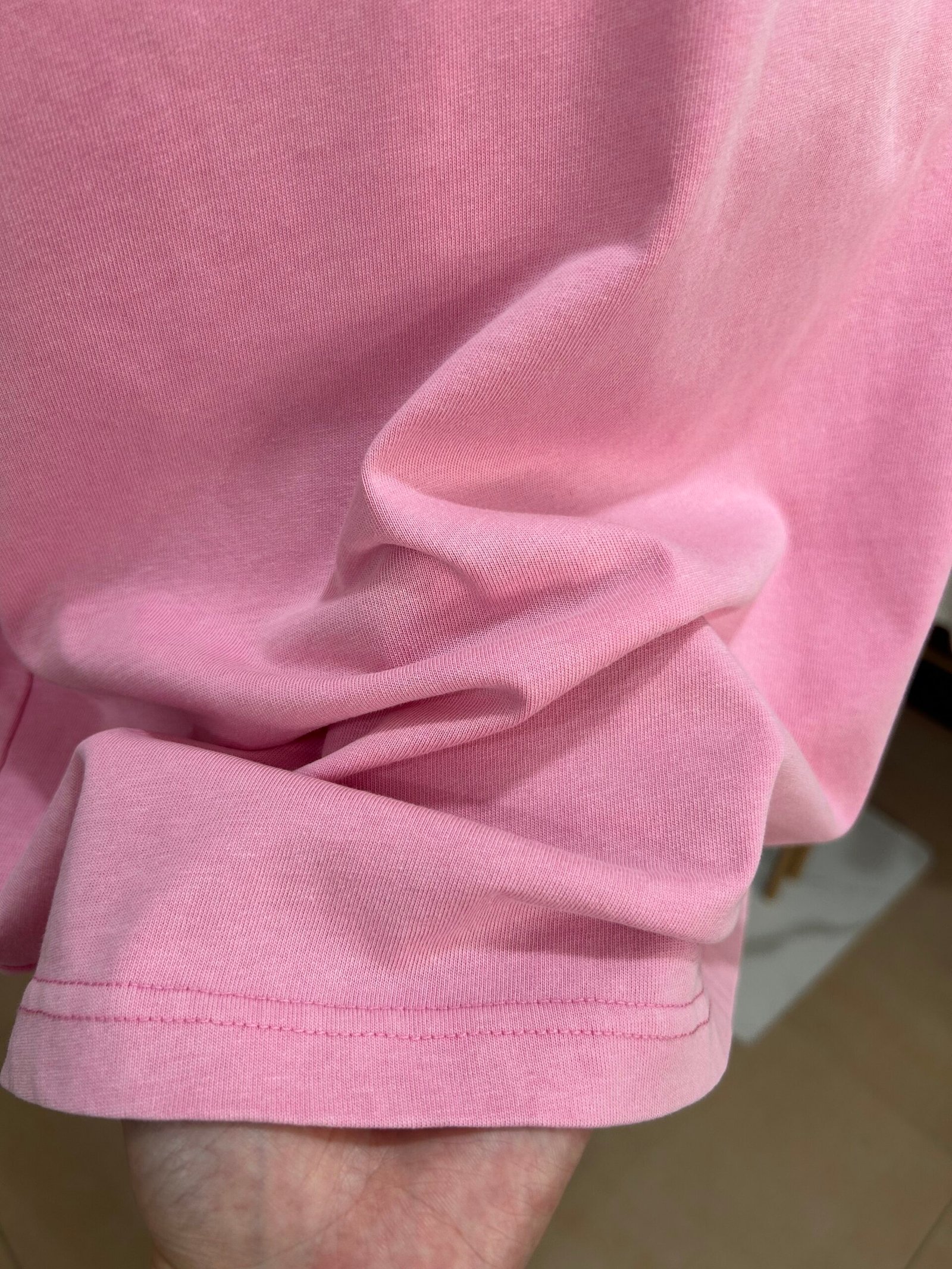
Vintage effects are influenced by fabric composition, color and washing conditions. Therefore, a reference photo alone cannot guarantee an identical result on every fabric.
When evaluating a manufacturer for acid-wash T-shirts, washed sweatshirts or vintage hoodies, ask whether the supplier tests the fabric and confirms the washing effect before bulk production.
Explore related garment development: ASNA Apparel supports custom T-shirts and sweatshirts with selected vintage washing effects. See our finished Custom Pink Acid Wash T-Shirt to explore how fabric selection, garment construction and vintage washing come together in a custom streetwear product.
6. Find Out How the Manufacturer Handles Production Problems
A reliable clothing manufacturer is not necessarily one that claims mistakes can never happen.
Custom garment manufacturing involves many variables, including fabric behavior, printing results, embroidery, washing and sewing operations.
What matters is how the supplier identifies problems, communicates with the customer and corrects issues before they affect the final order.
For example, a special washing sample may not achieve the required color or may develop an unacceptable defect.
Depending on the cause, correcting the problem may require:
- Purchasing replacement fabric
- Repeating shrinkage testing
- Adjusting the garment pattern
- Cutting and sewing replacement pieces
- Repeating printing or embroidery
- Performing another washing test
At ASNA Apparel, when a sample fails because of an error in our own development or production process, we take responsibility for the necessary corrective work rather than asking the customer to accept a defective sample.
We also explain the problem and communicate any resulting changes to the development schedule.
When comparing suppliers, ask a simple question: What will you do if the finished sample does not match the agreed specifications?
The answer can tell you a great deal about the manufacturer’s approach to quality and customer service.
7. Confirm the Manufacturer Can Provide Private Labels and Packaging
For an independent clothing brand, the garment itself is only part of the final product.
Custom labels, hangtags, packaging and trims help create a consistent brand identity.
A manufacturer with private label capabilities can help coordinate these details during production.
At ASNA Apparel, available customization options include:
- Woven neck labels and main labels
- Care and composition labels
- Flag labels and side-seam labels
- Custom hangtags
- Packaging bags
- Selected custom accessories and logo moulds
For custom labels, it is important to confirm the artwork, material, dimensions, fold type, sewing allowance and placement before manufacturing.
Some accessories and labels also have their own minimum order quantities or production lead times.
These details should be included in the quotation and development schedule whenever possible.
8. Understand MOQ and the Factors That Affect Clothing Manufacturing Cost
MOQ means Minimum Order Quantity. It refers to the smallest quantity a manufacturer can reasonably produce for a particular design.
At ASNA Apparel, selected custom clothing orders can start from approximately 50 pieces, depending on the garment design, fabric, colors, decoration processes and other requirements.
However, there is no single MOQ that applies to every custom garment.
For example, producing one color of T-shirts using available fabric may be easier than producing several colors of a custom-dyed heavyweight hoodie with embroidery and special washing.
Important MOQ and cost factors include:
- Fabric availability and minimum purchase quantity
- Custom dyeing or special material requirements
- Pattern making and sampling
- Printing screen preparation
- Embroidery setup and stitch count
- Garment construction complexity
- Custom labels and accessories
- Order quantity and number of colors
Generally, increasing the production quantity can reduce the unit cost because preparation and setup expenses are spread across more garments.
However, the best quantity for a new brand should also reflect its budget and inventory needs.
For more information, read What Is the MOQ for Custom Clothing? and How Much Does It Cost to Manufacture a T-Shirt?.
9. Understand the Sample Development and Bulk Order Process
Before selecting a manufacturer, ask for a clear explanation of the complete order process.
At ASNA Apparel, a typical custom clothing project follows these stages.
Step 1: Share Your Design and Requirements
Send your garment design drawings, reference images or tech pack, together with the estimated quantity.
A size chart, fabric preferences, artwork dimensions and branding requirements will help the manufacturer evaluate the project more accurately.
Step 2: Review Materials and Production Specifications
We discuss fabric composition, GSM, colors, garment measurements, printing, embroidery, washing and label details.
If important specifications are missing or technically unsuitable, we clarify them before sample development.
Step 3: Confirm the Sample Quotation and Payment
After the sample specifications and costs are agreed, the sample fee is paid in full before development begins.
Our team then coordinates the applicable fabric sourcing, pattern making, decoration testing, sewing and finishing.
Step 4: Review Sample Photos and Videos
When the sample is completed, we share photos or videos for the customer to review.
The customer can check the visible garment details and confirm whether the sample is ready for shipment.
For some destinations, express delivery may take approximately three to five days after dispatch, although the actual time depends on the courier, destination and customs clearance.
Step 5: Confirm Bulk Production
Once the relevant sample and order specifications are approved, we can arrange bulk production.
Our standard bulk payment terms are generally a 50% deposit and the remaining 50% before shipment, subject to the agreed order terms.
The bulk order should follow the confirmed design, measurements, materials, decoration processes and branding requirements.
Step 6: Arrange International Shipping
Shipping options may include express delivery, air freight, sea freight or other suitable logistics arrangements.
The available methods, estimated transit times, costs and applicable customs arrangements can be reviewed according to the destination and order requirements.
A reliable supplier should communicate the shipping plan and provide updates if the schedule changes.
10. What Should You Ask Before Choosing a Custom Clothing Manufacturer in China?
Before placing your first order, use this checklist to compare potential suppliers.
- Customization: Can you manufacture garments according to my original designs and measurements?
- Experience: Have you produced similar garments for overseas clothing brands?
- Fabric: Can you confirm the composition, GSM, color and material characteristics?
- Pattern making: Will you review my size chart and garment construction?
- Printing: Can you test screen printing or DTG on the actual fabric?
- Embroidery: Can you confirm thread colors and embroidery details before production?
- Washing: Do you test shrinkage and washing effects when required?
- Branding: Can you arrange woven labels, care labels, hangtags and packaging?
- MOQ: What is the minimum order quantity for my specific design?
- Sampling: How will I review and approve the sample?
- Quality: What happens if the sample or bulk garments do not meet the agreed specifications?
- Delivery: What are the expected production and shipping schedules?
These questions help you evaluate the complete manufacturing service instead of comparing suppliers only by unit price.
11. Why Work with ASNA Apparel for Custom Clothing Manufacturing?
ASNA Apparel works with overseas fashion brands that need custom garment development and bulk production based on their own designs.
Our approach focuses on reviewing production requirements carefully before manufacturing begins.
We support customers through:
- Fabric sourcing according to garment specifications
- Professional pattern development and size chart review
- Sample development before bulk production
- Screen printing, DTG and embroidery testing
- Applicable garment washing and shrinkage testing
- Private label and packaging customization
- Bulk production coordination
- International shipping arrangements
Our goal is to help brands identify technical issues early, confirm important details clearly and produce garments that reflect their intended designs.
Whether you are developing a simple graphic T-shirt or a more complicated washed streetwear collection, the best starting point is to share the actual design and discuss its manufacturing requirements.
Frequently Asked Questions
1. How do I find a reliable custom clothing manufacturer in China?
Start by checking the manufacturer’s experience with similar garments, fabric sourcing capabilities, pattern making, sample quality and production testing. Ask for real production examples and confirm how the supplier manages quality issues, payment terms and shipping before placing a bulk order.
2. Can a Chinese clothing manufacturer produce garments from my own designs?
Yes. A full-service custom clothing manufacturer can develop garments from design drawings, reference images, tech packs and measurement charts. The achievable result depends on the design, materials and manufacturing capabilities.
3. What is the minimum order quantity for custom clothing at ASNA Apparel?
Selected custom clothing projects can start from approximately 50 pieces. The actual MOQ depends on the fabric, design, colors, printing, embroidery, washing processes and branding requirements.
4. Why should screen printing and embroidery be tested before bulk production?
Testing helps confirm print colors, artwork details, embroidery thread selection and the appearance of decoration on the actual fabric. It allows potential issues to be identified before the corresponding production stage.
5. Why is shrinkage testing important for acid-wash and salt-wash clothing?
Special washing processes can change fabric dimensions. Shrinkage testing helps the manufacturer account for these changes when developing garment patterns and measurements, reducing the risk of significant size differences after washing.
6. Can ASNA Apparel provide custom clothing labels and packaging?
Yes. We support woven labels, care labels, flag labels, hangtags, packaging bags and selected custom branding accessories. Specifications and minimum quantities are confirmed according to each project.
Start Your Custom Clothing Project with ASNA Apparel
Finding a reliable custom clothing manufacturer in China is about more than securing a competitive price. The right manufacturing partner should understand your design, explain the production requirements, identify potential risks and communicate clearly throughout sampling and bulk manufacturing.
At ASNA Apparel, we work with overseas clothing brands to develop custom T-shirts, hoodies, sweatshirts, tracksuits, jackets and other garments according to their designs.
From fabric sourcing and pattern development to screen printing, embroidery, DTG, washing tests and private label customization, we help turn design ideas into finished clothing products.
Ready to discuss your next collection? Send us your garment design, estimated order quantity and customization requirements through the Get A Free Quote form on this page.